Singapore Real Estate Shifts to Integrated Urban Ecosystems
Singapore's 61-year real estate development model is evolving from single-use projects to integrated, mixed-use urban ecosystems.
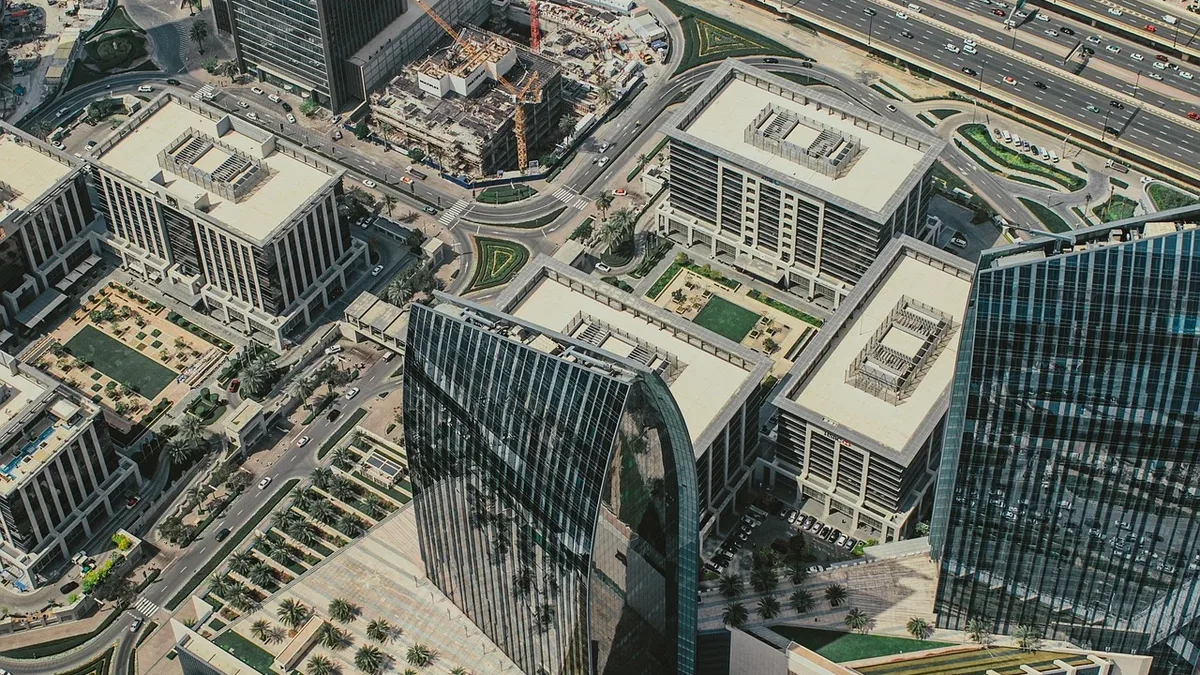
Singapore real estate integrated urban ecosystems sustainability is the new paradigm. The city-state has undergone 61 years of nation-building through real estate development, with urban planning now shifting from rigid single-land-use zoning to a more integrated, mixed-use approach. The past model favoured efficient, largely single-use projects delivered quickly to meet economic growth targets. Today, the focus is on creating holistic environments that blend living, working, and leisure.
Orchard Road's multidimensional transformation
Orchard Road is being rejuvenated into a multi-experience lifestyle belt beyond retail. It must evolve into a multidimensional destination combining retail, culture, food, nature, and events. Recent initiatives aim to strengthen its appeal via hospitality, public spaces, and experiential offerings. Major redevelopment is envisaged with high-density, transit-oriented mixed-use developments near Somerset, Orchard, and Dhoby Ghaut MRT stations. Experiential retail concepts, pop-ups, and brand activations are being encouraged, drawing lessons from districts like Seoul’s Seongsu-dong to spur home-grown startups.
Greater Southern Waterfront (GSW) expansion
The Greater Southern Waterfront will free up 1,000 hectares of land and 30 km of coastline from port consolidation at Tuas. Stretching from Gardens by the Bay East to Pasir Panjang, the GSW plans include tens of thousands of homes, new parks, and amenities near the CBD. The development strategy explicitly mixes luxury and affordable housing.
White sites in Marina Bay and regional centres are being used for adaptable, resilient development to create vibrant, culturally rich urban environments. The downtown core will remain the main financial district with a high concentration of prime real estate.
Sustainability and technology integration
New developments incorporate low-carbon technologies, district cooling, water conservation, green roofs, walls, and solar panels. Car-lite precincts in downtown could be enhanced via autonomous vehicles and automated people mover systems. Infrastructure like Marina Bay, Marina Channel, and Marina Barrage serves as coastal and flood control mechanisms against rising sea levels. The merging of Dhoby Ghaut Green and Istana Park aims to add green space and test nature-based solutions like multi-functional water gardens for stormwater management.
Jurong Lake District as a new growth corridor
Jurong Lake District is envisioned as the largest mixed-use business district outside the city centre. It will include offices, housing, retail, hospitality, community uses, and recreational spaces. Key features will be expanded Jurong Lake Gardens, a new Science Centre, and enhanced rail connectivity via four MRT stations. The district aims to attract investment in high-value sectors like precision manufacturing, biotechnology, semiconductors, and low-carbon technology, leveraging proximity to western research institutions. New developments near Orchard Boulevard, Grange Road, and Newton-Paterson Road will also increase residential and worker density.
Singapore’s urban landscape is now comparable to global cities like Paris, London, New York, and Tokyo. The recent Circle Line loop closure connected Marina Downtown to five MRT stations: Marina Bay, Marina South Pier, Downtown, Bayfront, and Gardens by the Bay. Emerging challenges driving this cycle include economic competitiveness, changing demographics, flexible work practices, and the need for elderly-friendly facilities. Sentosa-Brani is being positioned as a major integrated leisure destination, while projects like Therme’s billion-dollar wellness attraction in Marina South are seen as game-changers. The strategic shift is clear. It is a move from individual assets to integrated urban ecosystems. Sing Tien Foo, provost’s chair professor at the NUS Business School, notes, "The views in the article are the author’s and do not represent those of the university and its affiliations."