
Off Plan
| Market type | Primary, secondary, or emerging |
|---|---|
| Typical yield range | Percentage range |
| Foreign buyer eligibility | Yes, No, or Restricted |
| Typical completion timeline | Years from purchase |
| Common payment plan structure | Stage-based installments |
| Primary developer type | National, international, or government-linked |
| Common purchase avenue | Direct from developer or via agent |
Origin and history
The strategy of purchasing property "Off Plan" originated in the large-scale development markets of the United States and the United Kingdom during the mid-20th century. Its modern form became particularly prevalent during the property booms of the 1980s and 1990s in major global cities. The practice evolved as a primary method for developers to secure financing and gauge market demand before committing to full construction costs. It spread to continental Europe, Australia, and the Gulf states, becoming a standard sales model for new developments. In the 21st century, it became a cornerstone of investment in emerging markets in Asia and the Middle East, often targeting international buyers. The strategy's history is intertwined with cycles of economic expansion, where pre-construction sales fuel further development.
What it is for
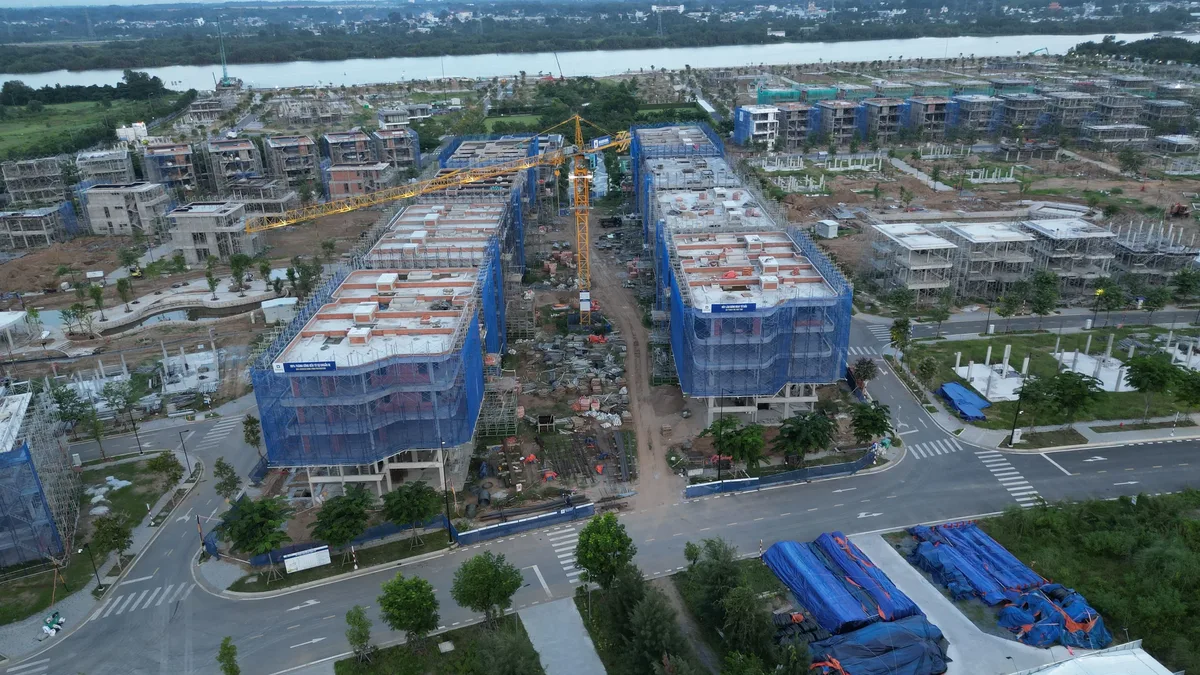
The Off Plan strategy is for acquiring a property by contract before the building is completed, based on architectural plans and specifications. Its primary function is to allow buyers to secure a property at a price locked in at today's market value, with the expectation of capital appreciation upon completion. For developers, it serves as a critical tool to pre-sell units, demonstrate project viability to lenders, and generate cash flow to fund construction. The strategy is used to gain access to brand-new properties, often with modern amenities and warranties that older stock lacks. It can also serve as a way for buyers to customize certain finishes or layouts during the construction phase, subject to the developer's allowances. In a city market context, it targets investors seeking yield from rental income post-completion or from selling the contract or completed unit at a profit.
Pros and cons
A primary advantage is the potential for significant capital growth during the construction period, especially in a rising market, effectively leveraging a small initial deposit. Buyers often secure a property at a lower entry price than the anticipated completed value and can benefit from flexible, staged payment plans. The cons are substantial and materialize frequently; the most severe is project delay or outright cancellation, where buyers may struggle to recover deposits from insolvent developers. The final constructed unit may suffer from quality defects or deviate from promised specifications, with limited recourse. A common mistake is underestimating the total financial commitment, including final lump-sum payments, service charges, and furnishing costs, which can strain liquidity. Investors often regret this strategy when the local market corrects or stagnates, leaving them with a completed property worth less than the contract price and substantial holding costs, particularly if rental yields are overestimated.
Who it suits
This strategy suits financially secure investors with a high-risk tolerance and a long-term investment horizon who can absorb potential losses. It is appropriate for those who have thoroughly researched the developer's track record, the legal framework protecting off-plan buyers, and the underlying supply and demand dynamics of the specific city sub-market. It suits foreign buyers who are permitted to purchase in that jurisdiction and who understand the tax implications, currency exchange risks, and management logistics from afar. The strategy is ill-suited for individuals seeking immediate occupancy, those with limited savings who cannot withstand payment shocks, or anyone relying on short-term market speculation for essential gains. It is also a poor fit for markets with a history of oversupply, weak tenant protections, or opaque property rights, where promised yields are rarely realized. Ultimately, it is a tool for sophisticated market participants, not a straightforward route to homeownership for the inexperienced.
Latest Off Plan news
Latest reporting

Ares Closes Record $4 Billion Japan Logistics Fund
Ares Management has closed its fifth Japan logistics development fund at JPY 612 billion ($4 billion), with the Canada Pension Plan Investment Board

Kushner regrets involvement in FIFA World
Venture capitalist Joshua Kushner has expressed regret over his role in a now-shelved FIFA plan to sell a stake in the World Cup, citing a failure to
AGP Zerra plans $10.4B Queensland centre
AGP Sustainable Real Assets’ Zerra DC has filed a proposal for a 1.44-GW data-centre campus in rural Queensland, costing A$14.5 billion ($10.4...

CPPIB Posts 7.5% Quarterly Return as Assets Hit $623B
The Canada Pension Plan Investment Board (CPPIB) has reported a 7.5% net return for the first quarter of fiscal 2027, with its net assets climbing 9%...

Macquarie-Led Consortium Completes $8B Buyout of Ports Operator Qube and More APAC Real Estate Headlines
A Macquarie-led consortium has completed a $8.3 billion buyout of Australian ports operator Qube Holdings, while Minor International has delayed its...