Minimum Purchase Price Thresholds For Foreign Buyers
| Minimum purchase price threshold | Varies by region |
|---|---|
| Foreign buyer eligibility | Typically restricted or conditional |
| Common property types | Residential apartments, commercial real estate |
| Typical required permits | Foreign investment approval, land use permit |
| Common ownership structures | Leasehold, joint venture with local entity |
| Typical transaction taxes | Stamp duty, capital gains tax, value-added tax |
Origin and history
Minimum purchase price thresholds for foreign buyers are a form of real estate market regulation originating in various Asia-Pacific jurisdictions in the early 21st century. These policies were developed as a direct legislative response to rapidly rising housing prices in major global cities. The primary intent was to cool speculative investment from overseas capital that was perceived to be pricing out local residents. Australia pioneered this approach at the national level in the mid-2010s, setting a precedent for other markets concerned with foreign investment in residential property. Similar concepts were subsequently adopted and adapted by countries like New Zealand and Singapore, each tailoring the threshold to their specific market conditions. The policy framework represents a shift from outright bans on foreign ownership to a more selective, revenue-generating gatekeeping mechanism.
What it is for
The core purpose of a minimum purchase price threshold is to direct foreign capital toward the premium segment of the housing market, thereby insulating the more affordable segments from external competition. It functions as a fiscal filter, ensuring that foreign investment contributes a significant sum to the local economy per transaction. The policy aims to reduce the volume of foreign purchases in the entry-level and mid-tier markets, which are considered sensitive for local first-time buyers and families. Revenue generated from stamp duties or taxes on these high-value transactions is often earmarked for affordable housing initiatives or public infrastructure. It also serves as a data collection tool, as purchases above the threshold are typically scrutinized and approved by a government screening board. Ultimately, it is a tool for managing the socioeconomic impact of global capital flows on domestic housing accessibility.
Overview
A minimum purchase price threshold is a legal requirement stipulating that foreign nationals can only purchase residential property above a specific monetary value. This value is set by national or sometimes regional governments and is frequently adjusted in response to market inflation and political pressure. The threshold applies uniformly to foreign buyers, distinct from permanent residents or citizens who face no such minimum. Compliance is enforced at the point of property settlement, with conveyancers and land registries responsible for verifying the buyer's status and the sale price. The policy is often bundled with additional foreign buyer taxes, such as stamp duty surcharges, which apply on top of the standard rates. It exists within a broader ecosystem of foreign investment rules, which may include prohibitions on purchasing certain property types like undeveloped land or existing dwellings.
What to know
The specific threshold amount varies significantly by country and can be different for different property types, such as new developments versus established homes. In some jurisdictions, the threshold may be waived if the foreign buyer commits to substantial redevelopment or adds to the housing supply. It is crucial to verify the exact definition of "foreign buyer," as it often includes permanent residents, temporary visa holders, and foreign-owned corporations. Transaction costs are substantially higher for foreign buyers, not only due to the minimum price but also due to non-refundable application fees and significant additional stamp duties. The approval process can be lengthy and uncertain, as many governments require foreign investment approval before the sale contract becomes unconditional. Legal advice from a specialist in property law within the target jurisdiction is essential, as non-compliance can result in forced divestment and heavy penalties.
Common questions
What happens if a foreign buyer purchases a property below the threshold? Such a purchase is typically illegal and can be voided by the government, with the buyer facing financial penalties and potentially being forced to sell the property. Are there any exemptions to the minimum price rule? Exemptions are rare but may apply to diplomats, individuals purchasing through specific business visa programs, or in designated development areas aimed at boosting construction. Does the threshold apply to commercial property or land? These rules almost exclusively govern residential real estate, with separate, often more permissive, regulations for commercial and industrial investments. How often do these thresholds change? They are subject to political change and can be adjusted annually during government budgets, making it critical to check the current figure at the time of purchase. Can a foreign buyer jointly purchase with a local citizen to avoid the threshold? Typically, if a foreign entity is on the title, the minimum price applies to the entire property value, not just the foreigner's share. Is financing available for foreign buyers above the threshold? Local mortgage financing for foreign nationals is often restricted, meaning purchases frequently require full cash settlement or financing from international banks.
Pros and cons
A primary pro is that the policy can successfully deflect foreign demand away from the most competitively priced housing stock, offering some protection for local buyers in those segments. It generates substantial government revenue from high-value transactions, which can be reinvested into public housing or infrastructure. For the host city, it ensures that foreign investment is of a scale that contributes meaningfully to the economy per transaction. A significant con is that it can create a two-tiered market, where the premium segment becomes increasingly dominated by foreign capital, potentially disconnecting those prices from local income levels. Many foreign buyers regret the choice due to the illiquidity of high-value assets, especially if market conditions shift or currency fluctuations occur. A common mistake is underestimating the total cost of ownership, which includes not only the high purchase price but also ongoing elevated property taxes, land taxes, and surcharges specifically levied on foreign owners.
Who it suits
This regulatory environment suits foreign buyers with substantial capital who are seeking a long-term, stable asset in a major global city, rather than a speculative short-term investment. It is appropriate for individuals looking for luxury properties who are not price-sensitive and for whom the additional taxes constitute a manageable cost of entry. The system suits investors aiming to park significant wealth in a secure jurisdiction with clear property rights, even at a premium. It is less suited to small-scale investors, those seeking affordable rental yield properties, or anyone with budget constraints near the threshold limit. It also suits developers of new, high-end apartment complexes who can market exclusively to an international clientele without competing with local buyer demand. Ultimately, it caters to a niche of high-net-worth individuals for whom the investment is as much about asset security and prestige as it is about direct financial return.
Latest Minimum Purchase Price Thresholds For Foreign Buyers news
Latest reporting

HDB Reviews Jumbo Flat Scheme After S$2.18 Million Listing
Singapore's Housing Board is reviewing its jumbo flat conversion scheme after a combined Telok Blangah unit was listed at S$2.18 million, a price...
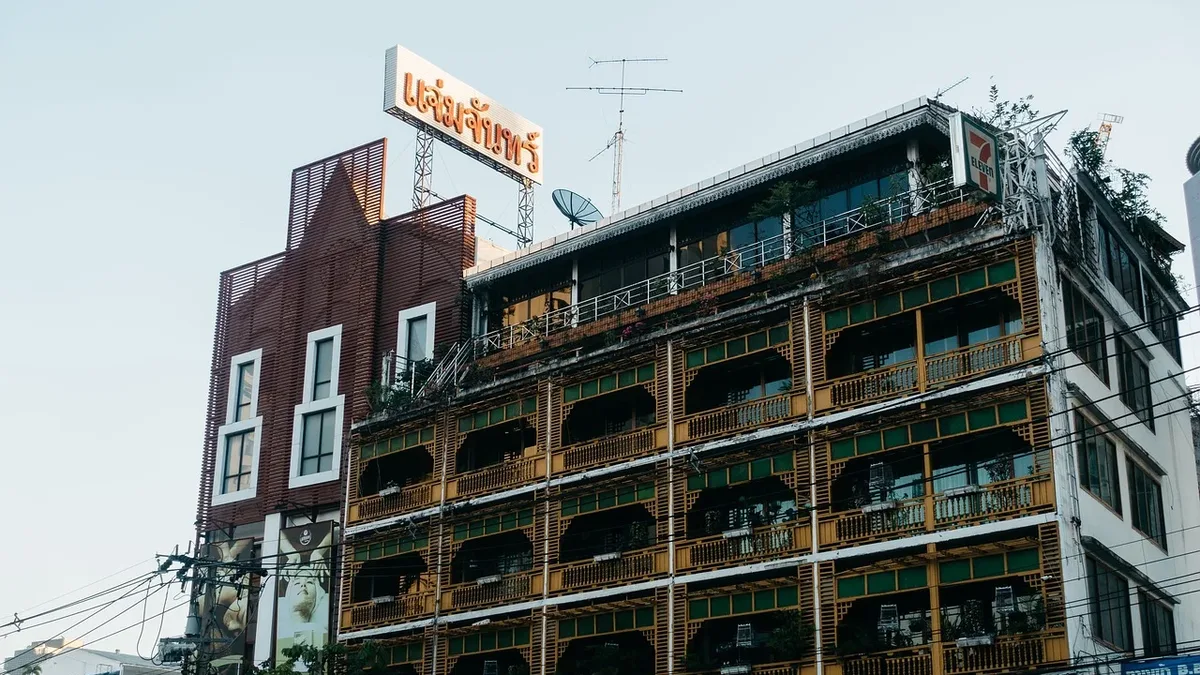
Trendale Tower relaunched for collective sale at S$168
The freehold Trendale Tower in Singapore's District 9 is back on the market for a collective sale with a guide price of S$168 million.
US Mortgage Rates Hit One-Year High
US 30-year mortgage rates hit a one-year high near 6.7% as bond yields spike on inflation and oil price concerns, pressuring the Fed.

ESR-REIT CEO Steps Down Amid Stock Slide
ESR-REIT CEO Adrian Chui is stepping down after over nine years, as the Singapore-listed industrial trust's unit price has fallen 16.1% in the past...
Japanese investors split on foreign assets
Japanese investors have shifted to selling foreign bonds and equities after two weeks of heavy buying, following a historic joint yen-buying...
Nomura REIT Acquires Tokyo Best Western Hotel from Ichiken for $55M
Nomura Real Estate Master Fund has agreed to purchase a hotel in Tokyo's upscale Akasaka district from Japanese developer Ichiken for JPY 8.7 billion...