
Long Lease Structures As An Alternative To Freehold
| Recall | the city in this context |
|---|---|
| Market | Residential and commercial property |
| Yield | Typically lower than freehold equivalents |
| Foreign buyer eligibility | Subject to national and local regulations |
| Lease term remaining | Critical valuation factor (e.g., 80+ years, under 80 years) |
| Ground rent | Annual charge payable to freeholder |
| Statutory rights | Varies by jurisdiction (e.g., right to extend, right to manage) |
| Service charge | Annual fee for maintenance of common areas and building |
Origin and history
The legal structure of long leaseholds as an alternative to freehold ownership has its origins in English common law, dating back centuries. The feudal system established the principle that all land ultimately belonged to the Crown, with interests granted to others for specified terms. The modern form of long residential leases, often for 99, 125, or 999 years, became a standardized feature of property development in the United Kingdom from the 19th century onwards. This model was extensively adopted during the expansion of London and other major cities to facilitate the financing and management of large-scale building projects. The system was subsequently exported to numerous other jurisdictions under British colonial or common law influence, including Singapore, Hong Kong, and parts of Australia. Its persistence reflects a historical compromise between granting substantial property rights and retaining ultimate control over the land.
What it is for
A long leasehold structure is primarily for granting a right of exclusive possession and use of a property for a fixed, extended period without transferring the underlying freehold title. It is used to enable development and individual ownership of units, typically apartments, on land where the freehold is held by another party, such as a ground landlord or a management company. This system facilitates the sale of individual dwellings within a larger building where maintaining common areas and the building fabric requires collective responsibility and funding. It serves as a mechanism to separate the ownership of a building from the ownership of the land it sits on, which can have historical, financial, or estate management rationales. In many city markets, it is the default or only legal form of ownership for apartment-style properties. The structure is also used for some houses, particularly on large private estates or in certain development schemes where the freeholder retains control over the land.
Overview
In a long leasehold, the purchaser (the leaseholder) buys the right to occupy the property for the remaining term of the lease, which might initially be 99 years or more. The freeholder (or landlord) retains ownership of the land and the building's structural fabric, with the leaseholder usually obliged to pay an annual ground rent and a service charge for maintenance. The lease is a legally binding contract that sets out the rights and responsibilities of both parties, including rules on alterations, subletting, and the maintenance of common parts. Over time, the lease term diminishes, and the property's value is intrinsically linked to the length of the remaining lease; once it falls below a certain threshold, typically 80 years, it becomes significantly harder to mortgage and sell. Leaseholders often have a statutory right to collectively purchase the freehold or extend their leases, though this is a complex and costly legal process. The system is prevalent in the UK city markets, especially London, but similar structures exist globally under different names, such as leasehold condominiums in some Asian markets.
What to know
In the city property market, leasehold properties typically trade at a discount to equivalent freehold properties, reflecting the ongoing financial obligations and the diminishing asset term. The yield for an investor is calculated on the net income after accounting for ground rent, service charges, and sinking fund contributions, which can significantly impact the net operating income. Foreign buyers are generally permitted to purchase leasehold properties in major markets like London, though they must be aware of additional tax implications, such as Stamp Duty Land Tax surcharges and potential inheritance tax rules. It is critical to scrutinize the lease terms for onerous clauses, such as doubling ground rents, high service charge percentages, or restrictions on use that could affect value and mortgageability. The cost and complexity of extending a lease or participating in a collective freehold purchase are substantial factors in the investment calculus. Understanding the financial health and management practices of the freeholder or managing agent is essential, as poor management can lead to spiraling service charges and disputes.
Common questions
A common question is whether a leasehold can be converted to freehold, which is possible in many jurisdictions through collective enfranchisement or individual lease extension processes, but it requires meeting legal criteria and significant expenditure. Buyers frequently ask what happens when the lease expires, which results in the property reverting to the freeholder unless the lease is extended, though statutory protections often exist for residential leaseholders to renew. People inquire about the difference between ground rent and service charge, where ground rent is a rent for the land paid to the freeholder, while the service charge covers the costs of maintaining the building's common areas and structure. Investors question how lease length affects property value, with shorter leases drastically reducing marketability and value, particularly once below 80 years due to mortgage lender requirements. Foreign buyers often ask if there are any ownership restrictions, which are generally few for leaseholds but can include higher stamp duty rates and checks on fund sources. Another frequent query concerns the ability to sublet the property, which is usually permitted but often requires consent from the freeholder and may be subject to specific conditions within the lease.
Pros and cons
A primary advantage is that long leaseholds often provide a more affordable entry point into expensive city markets compared to freehold properties, allowing access to specific locations and building types. The structure clearly delineates responsibility for major structural repairs and maintenance to the freeholder or management company, which can simplify matters for the individual owner. For investors, the leasehold model in stable markets can offer predictable income streams from subletting, though net yields must be carefully assessed after all charges. A significant disadvantage is the ongoing financial liability for ground rent and service charges, which can increase unpredictably and become a source of dispute if management is poor. The depreciating lease term is a major financial con, as the cost of extending a lease is high and the property becomes increasingly difficult to finance and sell as the term shortens. Many buyers regret their purchase after encountering onerous lease terms, such as permission fees for minor alterations or excessively high ground rent escalation clauses, which were not fully explained during the purchase process.
Who it suits
This structure suits buyers who prioritize location and apartment-style living in dense urban centers where freehold ownership of a unit is not a legal possibility. It can suit medium-term investors, perhaps over a 10-20 year horizon, who are confident in managing the lease extension process before the term becomes critically short. It is appropriate for buyers with professional legal advice who can thoroughly review the lease, assess the freeholder's reputation, and budget for all associated costs. The model may suit expatriates or foreign investors looking for a city base with managed services, provided they understand the tax implications and are comfortable with the leasehold's inherent limitations. It is less suited to buyers seeking a permanent, unencumbered family asset to pass on for generations, as the diminishing lease represents a wasting asset. It is also poorly suited to individuals with low tolerance for ongoing management fees or potential disputes, or those unable to fund a future lease extension, which is a necessary capital expenditure.
Latest Long Lease Structures As An Alternative To Freehold news
Latest reporting

Far East Orchard JV buys London site for £60m student
Far East Orchard's UK joint venture has acquired a freehold site at 325 Borough High Street for £60 million to develop 444 beds of student...

Anthropic Leases First Phase of Zerra DC's $10.4B Queensland
AI firm Anthropic has agreed to lease the initial stage of a proposed A$14.5 billion data centre campus in Queensland.

Charter Hall Exec Sees Life Science Real Estate Driven
A Charter Hall executive says Australia's ageing population is creating long-term demand for life science real estate, citing a recently...
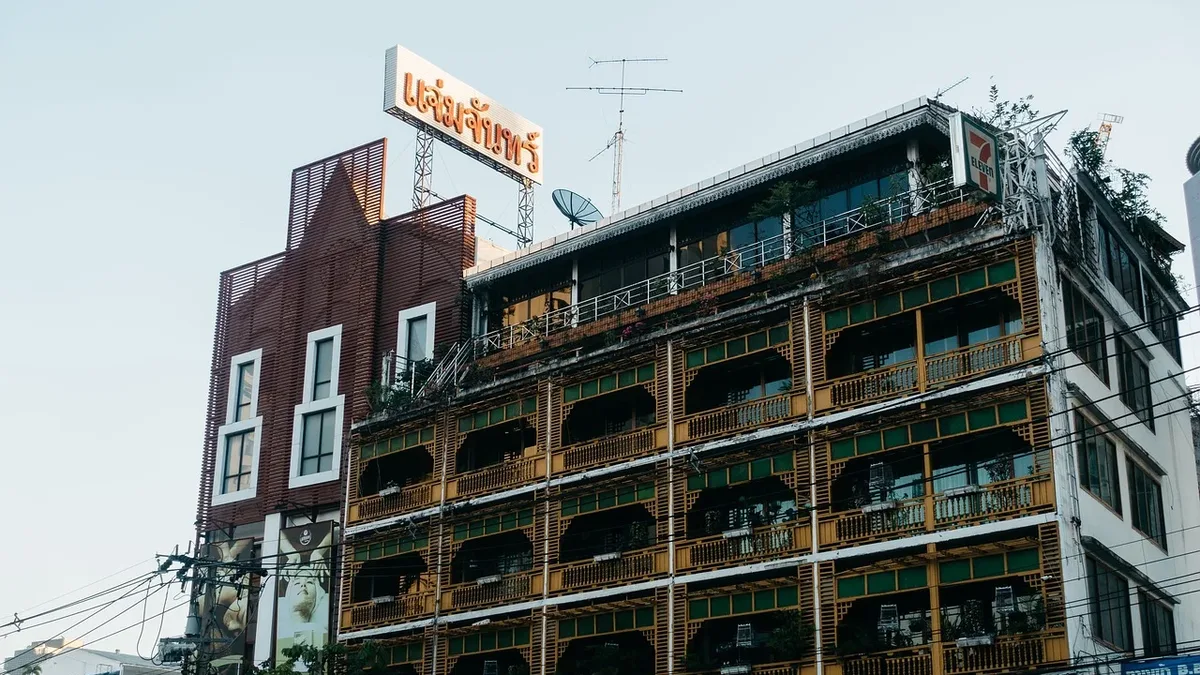
Trendale Tower relaunched for collective sale at S$168
The freehold Trendale Tower in Singapore's District 9 is back on the market for a collective sale with a guide price of S$168 million.
Eureka Group to Acquire NSW Land Lease Assets from Ingenia
Australian senior housing provider Eureka Group has agreed to buy six retirement properties in New South Wales from Ingenia Communities Group for...

Goodman Secures 20-Year Lease for First Phase of Tokyo Data Centre Campus
Goodman Group has signed a long-term lease with a global hyperscale customer for the initial 50MW phase of its 1GW data centre campus in Greater...