Ho Chi Minh City Thu Duc
| Market type | City market |
|---|---|
| Location | Thu Duc City, Ho Chi Minh City |
| Primary goods | Agricultural produce |
| Foreign ownership | Restricted |
| Governing body | Thu Duc City People's Committee |
Overview
The Thu Duc City project represents a major administrative and urban development initiative within the southeastern region of Ho Chi Minh City, Vietnam. It is not a traditional market but a newly established municipal city formed from the merger of three eastern districts. This administrative entity is designed to function as a knowledge-based and innovative economic hub, integrating existing universities and high-tech parks. The primary economic "yield" or output anticipated from Thu Duc City is in the sectors of information technology, biotechnology, finance, and high-value services. Foreign ownership of property within its boundaries is subject to the same national laws governing foreign property ownership across Vietnam, which involve specific conditions and leasehold arrangements. The development aims to decentralize administrative functions from central Ho Chi Minh City and drive regional economic growth through targeted infrastructure and policy.
History
The concept of Thu Duc City originates from urban planning strategies within Vietnam, specifically in Ho Chi Minh City, during the early 21st century. The formal proposal to merge existing districts gained significant governmental traction in the late 2010s, culminating in an official resolution. The National Assembly of Vietnam approved the merger of the districts of Thu Duc, 2, and 9 to establish Thu Duc City as an administrative unit under Ho Chi Minh City in late 2020. This creation was not a spontaneous development but the result of years of regional planning aimed at addressing the overcrowding and infrastructural strain in the historical core of Ho Chi Minh City. The area itself has a longer history, with Thu Duc district being known for its historical villages, agricultural land, and later, the establishment of several major national universities. The new city's establishment is a direct response to modern urban challenges and economic ambitions rather than an organic historical growth.
How it works today
Today, Thu Duc City operates as a municipal city with its own People's Committee and People's Council, possessing a degree of administrative and economic autonomy within the broader governance of Ho Chi Minh City. Its functional model is centered on attracting domestic and international investment into designated sectors like fintech, software development, and research and development. The city leverages the presence of established institutions like the Vietnam National University Ho Chi Minh City campus and the Saigon Hi-Tech Park as core anchors for its innovation ecosystem. Land use planning is being actively revised, with a focus on developing new urban residential areas, transport corridors like the Metro Line 1, and commercial centers to support its growing population. The day-to-day reality for residents and businesses involves navigating a landscape of ongoing construction, new regulatory frameworks, and the integration of three formerly separate district administrations. Property transactions, including those by foreigners, are processed under the enhanced authority of the new city's administrative bodies, following national law.
Why it matters
Thu Duc City matters because it represents Vietnam's most ambitious attempt to create a dedicated innovation and administrative zone within its largest economic metropolis. Its success or failure is seen as a critical test for modern Vietnamese urban planning and decentralized governance models. The project aims to generate a significant portion of Ho Chi Minh City's future gross regional domestic product, directly impacting the national economy. It serves as a pilot for streamlining bureaucratic procedures and attracting high-skilled talent, which are persistent challenges for the country's development. The city's development directly affects regional infrastructure planning, including major transportation projects and housing supply, setting a precedent for other large cities in Vietnam. Furthermore, its legal framework for land use and foreign investment will be closely watched as a case study for future urban economic zones.
Common misconceptions
A common misconception is that Thu Duc City is a fully formed, finished urban area, when in reality it is a long-term development project still in its early stages of physical and administrative integration. Another is the belief that it offers unique or liberalized property ownership rules for foreigners, whereas the regulations are fundamentally the same as those enforced nationwide, with purchases typically limited to leasehold rights in specific project types. Some assume the "yield" is immediate and guaranteed, overlooking the significant time, investment, and policy coordination required for such a knowledge economy to mature. There is also a tendency to view it as a separate city disconnected from Ho Chi Minh City, ignoring its role as an administrative subset designed to relieve pressure on the central core. Others mistakenly think the merger has instantly erased the old district identities and operational patterns, which continue to influence local dynamics. Finally, the label "City" can lead to the misconception that it is a provincial-level entity, when it remains a subordinate unit under the authority of the Ho Chi Minh City People's Committee.
Latest Ho Chi Minh City Thu Duc news
Latest reporting
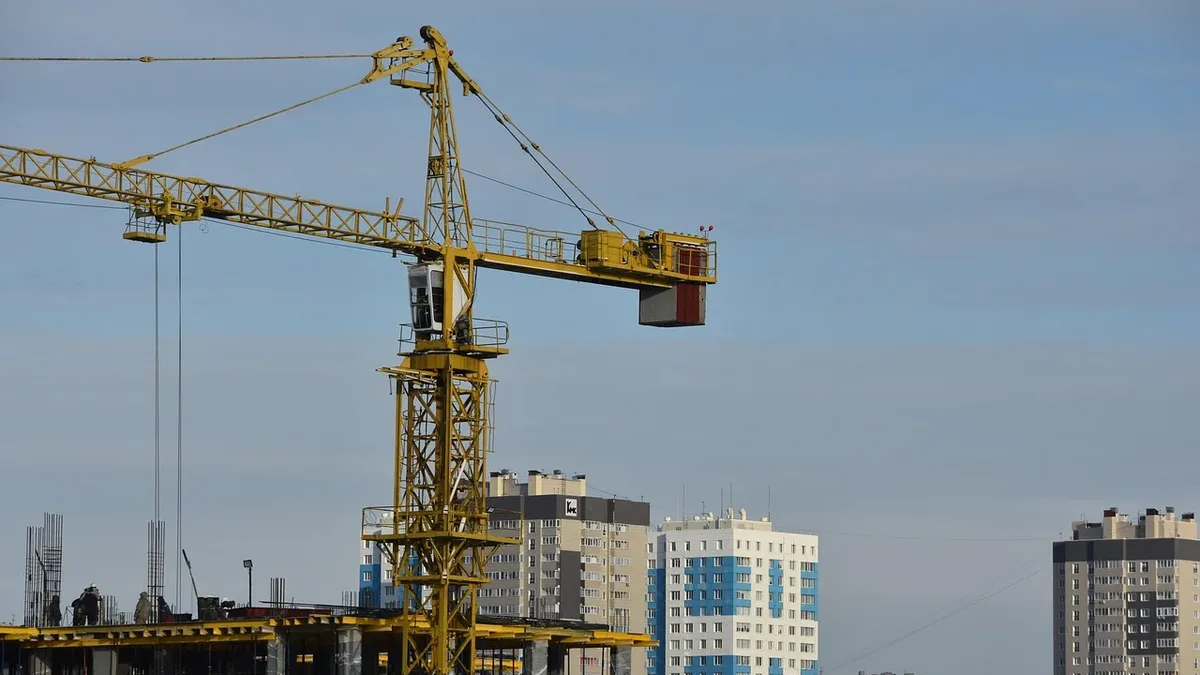
Gaw Capital Partners, Petraville Team to Buy Seoul Office Tower
Gaw Capital Partners and Petraville Asset Management, backed by South Korea’s National Pension Service, completed the $211 million acquisition of...

Hines and Pebblestone Exit Greater Seoul Warehouse for $65 Million
Sajo Seafood acquires Hines Logistics Namyang in the Gyeonggi province city of Hwaseong, marking an exit for Hines and Pebblestone Asset Management.
Singapore's CDL Sees Profit Surge on Project Completions
Singapore's City Developments Ltd (CDL) has reported a significant increase in profit for the first half of 2026, driven by the completion of several...

Singapore's GIC Said to Fund Investa $318M Sydney Tower Buy
Singapore's sovereign wealth fund GIC is reportedly funding Investa's purchase of a $318 million Sydney office tower, marking a return to the city's...