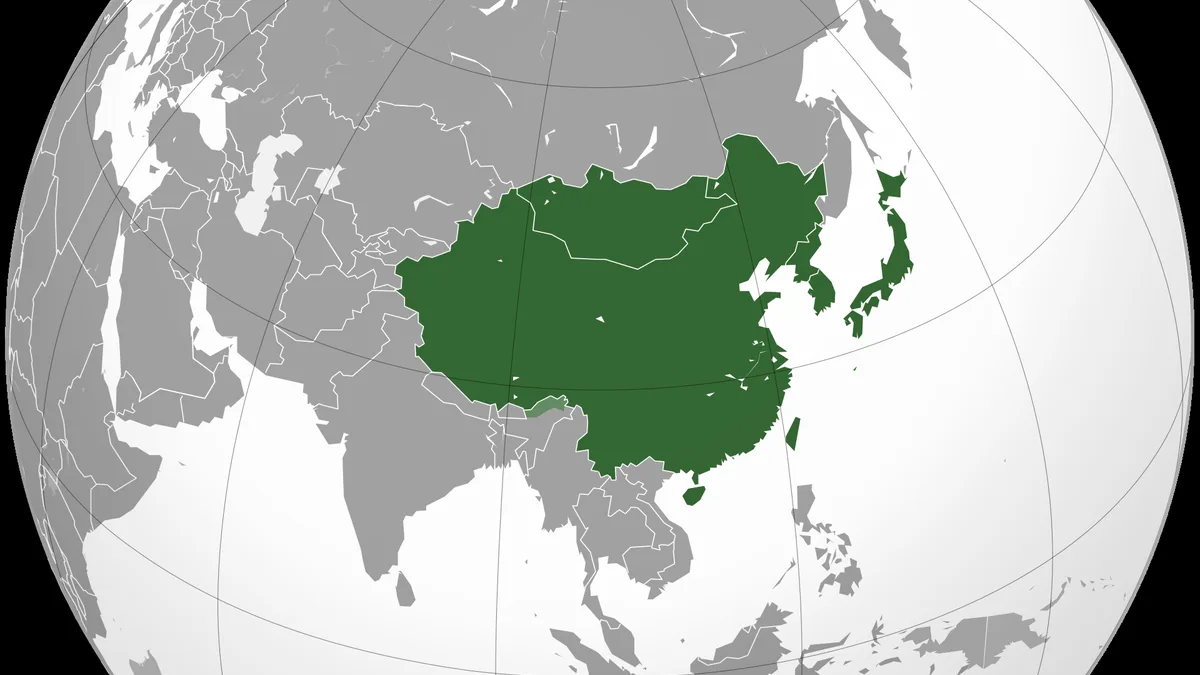
East Asia
| City market | Real estate |
|---|---|
| Yield | Varies by district and property type |
| Foreign buyer eligibility | Subject to national and local regulations |
| Original use | Commercial and residential settlement |
| Country of origin | Not applicable for a city |
| First created | Not applicable for a city |
Origin and history
East Asia is not a city but a major cultural and geographical region of the Asian continent. The modern concept of East Asia as a distinct region solidified in the late 19th and early 20th centuries, influenced by geopolitical and academic discourses. Its historical roots, however, extend back millennia, centered on ancient civilizations in China that exerted profound cultural influence. This sphere expanded over centuries to encompass the Korean Peninsula, the Japanese archipelago, and parts of mainland Southeast Asia through trade, migration, and conquest. The shared use of Chinese characters, Confucian social structures, and Buddhist philosophical traditions historically linked these societies. The region's contemporary boundaries and political dynamics were largely shaped by the aftermath of World War II and the Cold War.
What it is for
As a region, East Asia functions as a global center for economic production, technological innovation, and cultural export. It hosts several of the world's largest economies and manufacturing bases, producing everything from consumer electronics and automobiles to semiconductors and advanced machinery. The region serves as a critical hub in global supply chains, connecting raw material sources with finished product markets worldwide. It is also a major financial center, with key stock exchanges and banking institutions located in cities like Tokyo, Hong Kong, and Shanghai. Culturally, the region is a source of influential media, including film, music, and video games, which have attained significant international popularity. Furthermore, it is a primary arena for geopolitical strategy and diplomatic engagement among world powers.
Overview
East Asia is geographically defined as encompassing China, Japan, North Korea, South Korea, Mongolia, and Taiwan. It is one of the most densely populated regions on Earth, featuring megacities such as Tokyo, Shanghai, and Seoul alongside vast rural and mountainous areas. The region exhibits a stark diversity in political systems, ranging from multi-party democracies to single-party socialist states and a hereditary dictatorship. Economically, it includes both mature, high-income post-industrial societies and rapidly developing industrial powerhouses. Climatically, it spans temperate, subtropical, and continental zones, influencing agriculture and habitation patterns. Despite political differences, deep historical and cultural linkages in language, philosophy, and art provide a common foundational layer across the region.
What to know
Engaging with East Asia, whether for business, investment, or travel, requires understanding its complex and varied regulatory environments. Each country maintains sovereign control over its property and investment laws, meaning there is no unified "East Asian" market policy for foreign buyers. Nations like Japan and South Korea have relatively open markets for foreign investment in real estate and business, though specific sectors may be protected. In contrast, countries like China maintain stringent capital controls and restrictions on foreign ownership of land, with leases being the common vehicle for real estate investment. Due diligence must be conducted on a country-by-country and often city-by-city basis, as local regulations can differ significantly. Intellectual property protection and enforcement also vary widely across the region, a critical consideration for businesses.
Common questions
A frequent question is whether a foreign individual can freely buy residential or commercial property in East Asia; the answer is entirely dependent on the specific country's laws. Another common inquiry concerns the stability and yield of real estate markets, which range from the highly volatile and speculative markets in some Chinese cities to the more stable but lower-yield markets in Japan. Investors often ask about the safest entry points for business, which typically involve joint ventures or partnerships with established local entities to navigate regulatory and cultural hurdles. Questions regarding cultural integration and language barriers are prevalent, as business practices and negotiation styles can differ markedly from Western norms. Many also inquire about the impact of geopolitical tensions, such as those across the Taiwan Strait or the Korean Peninsula, on market stability and long-term investment security. The potential for currency fluctuation risk is another recurring topic for financial planners.
Pros and cons
A significant con is the pervasive regulatory complexity and opacity, where rules can change abruptly or be enforced unevenly, creating substantial operational and compliance risk. Foreign entities often regret underestimating the depth of local competition and the speed of market evolution, which can render a business model obsolete quickly. A common mistake is treating the region as a monolith, failing to tailor strategies to each country's distinct consumer preferences, legal system, and political context. Geopolitical risks, including territorial disputes and military posturing, present a persistent overhang that can affect market access and asset security. Furthermore, in some jurisdictions, intellectual property theft and forced technology transfer remain acute concerns for foreign firms.
Who it suits
This region suits large multinational corporations with substantial legal and logistical resources to manage complex entry strategies and long-term regulatory engagement. It is also suitable for investors with a high risk tolerance and a long-term horizon, who can weather market volatility and geopolitical uncertainties for potentially higher returns. Export-oriented manufacturers seeking efficient, large-scale production bases and access to advanced supply chains may find suitable partners within specific East Asian countries. The region suits academics, diplomats, and professionals who possess deep area-specific knowledge and linguistic skills, which are indispensable for effective operation. It is less suited to small-scale individual investors or entrepreneurs seeking simple, transparent regulatory environments and quick market entry without significant local partnership commitments.
Latest East Asia news
Latest reporting
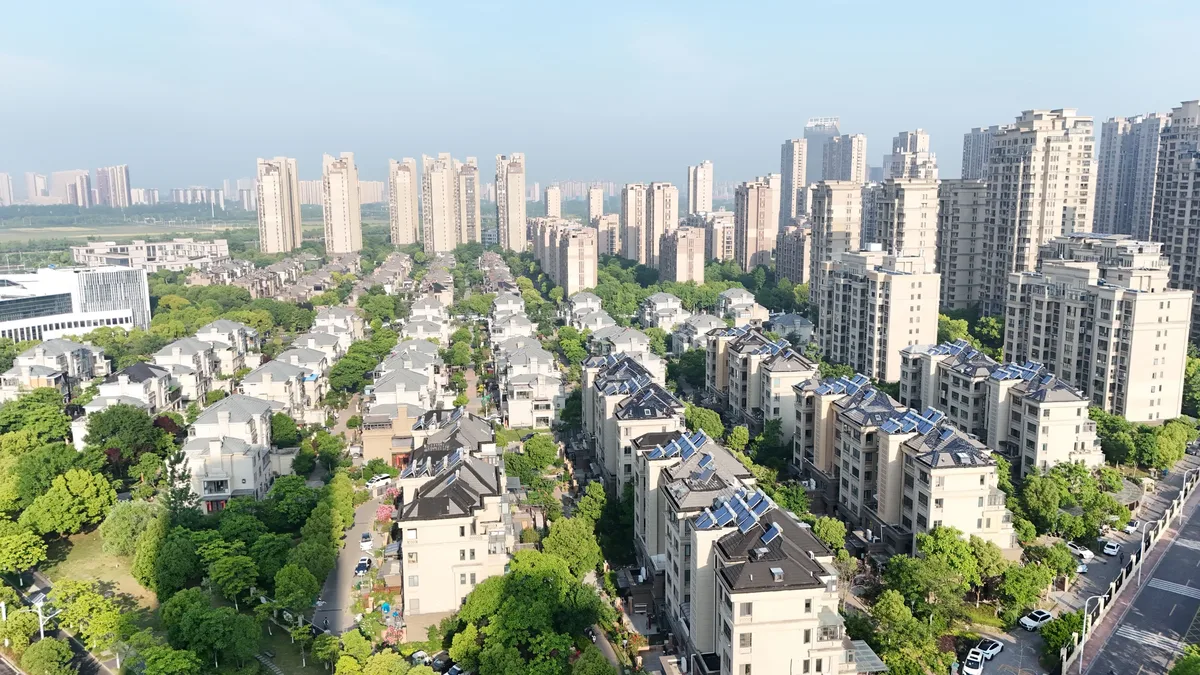
URA Launches Two GLS Sites in East Coast Road and Serangoon
The Urban Redevelopment Authority has launched two residential Government Land Sales sites, offering a combined potential yield of 320 private homes.

Far East Orchard JV buys London site for £60m student
Far East Orchard's UK joint venture has acquired a freehold site at 325 Borough High Street for £60 million to develop 444 beds of student...
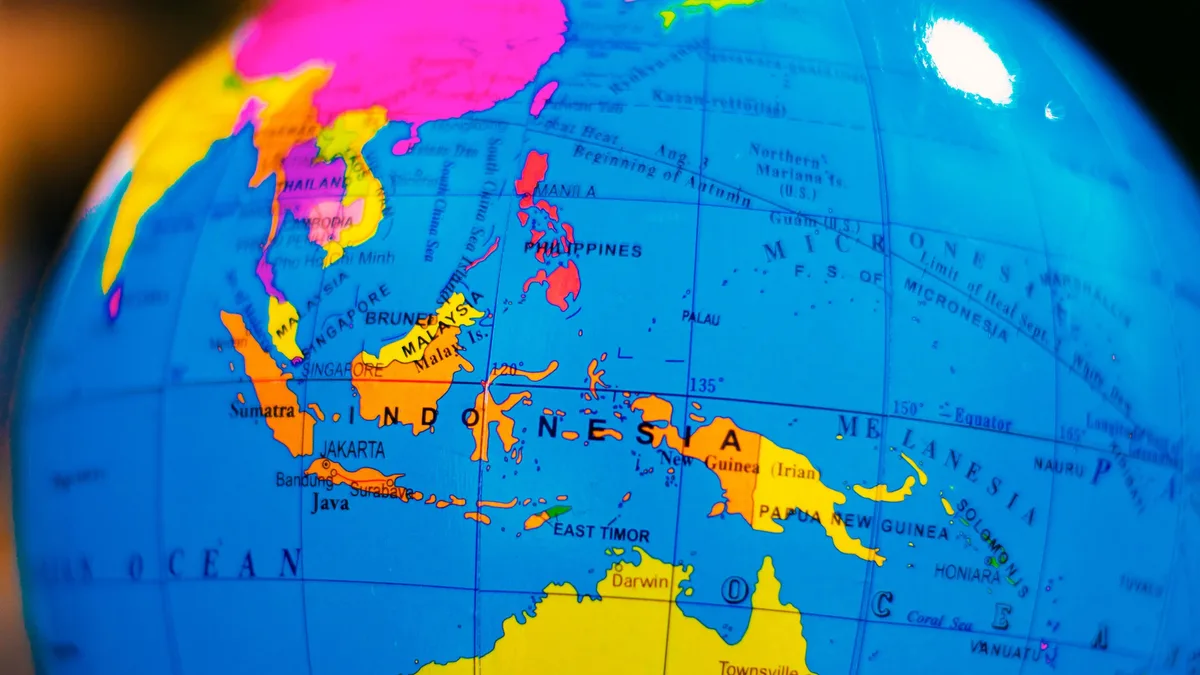
Greystar Names Tom Livelli Asia Pacific Head Amid Portfolio
US multifamily giant Greystar has appointed former EQT partner Tom Livelli as executive director and head of Asia Pacific, tasking him with leading...

Mirvac Names Kit Georgeos as Funds Management CEO
Mirvac has appointed Kit Georgeos as chief executive of its funds management division, effective 6 October. The move headlines a series of executive...

CapitaLand Targets $500M for Third Asia Pacific Credit Fund
CapitaLand Investment is seeking $500 million for its third Asia Pacific credit fund, focusing on senior secured, asset-backed real estate...
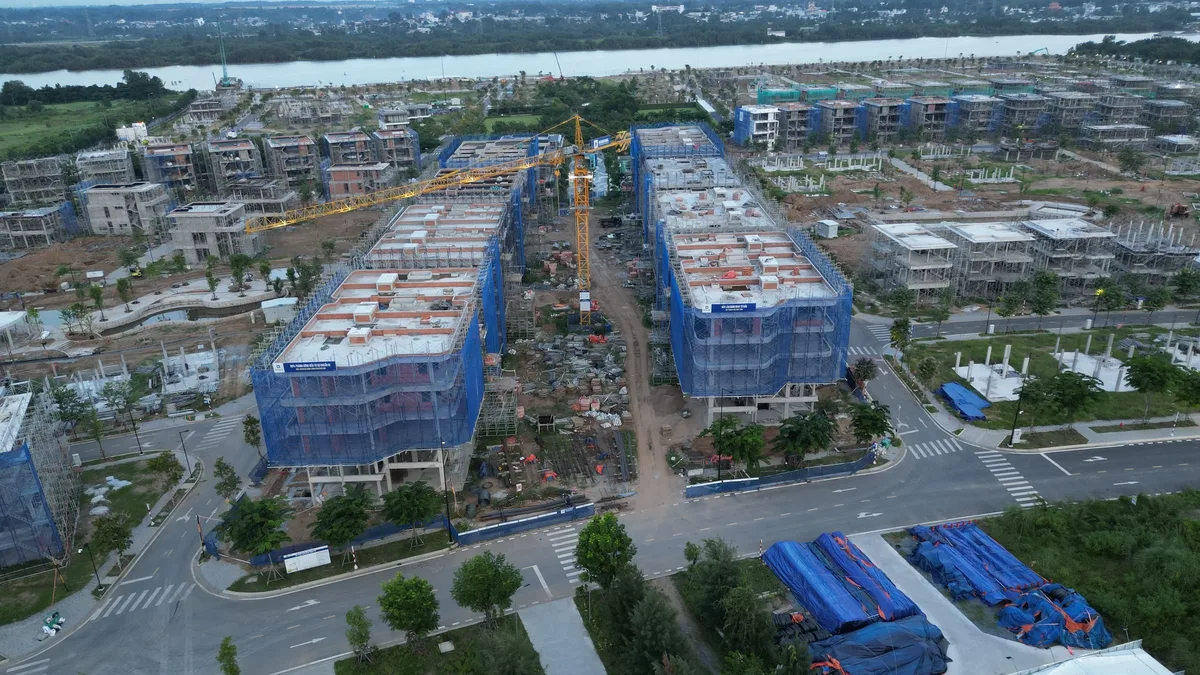
Mapletree Raises $500M for Asia Logistics Fund
Singapore's Mapletree Investments has secured over $500 million in equity for a new logistics development strategy targeting $2.1 billion in assets...