Shein's Hong Kong IPO Debut Sees Shares Fall
Fast-fashion giant Shein listed in Hong Kong on Tuesday, raising $1.7bn but seeing its shares fall. The company is now valued at $26.3bn, a quarter of its previous peak, amid competition and regulatory scrutiny.
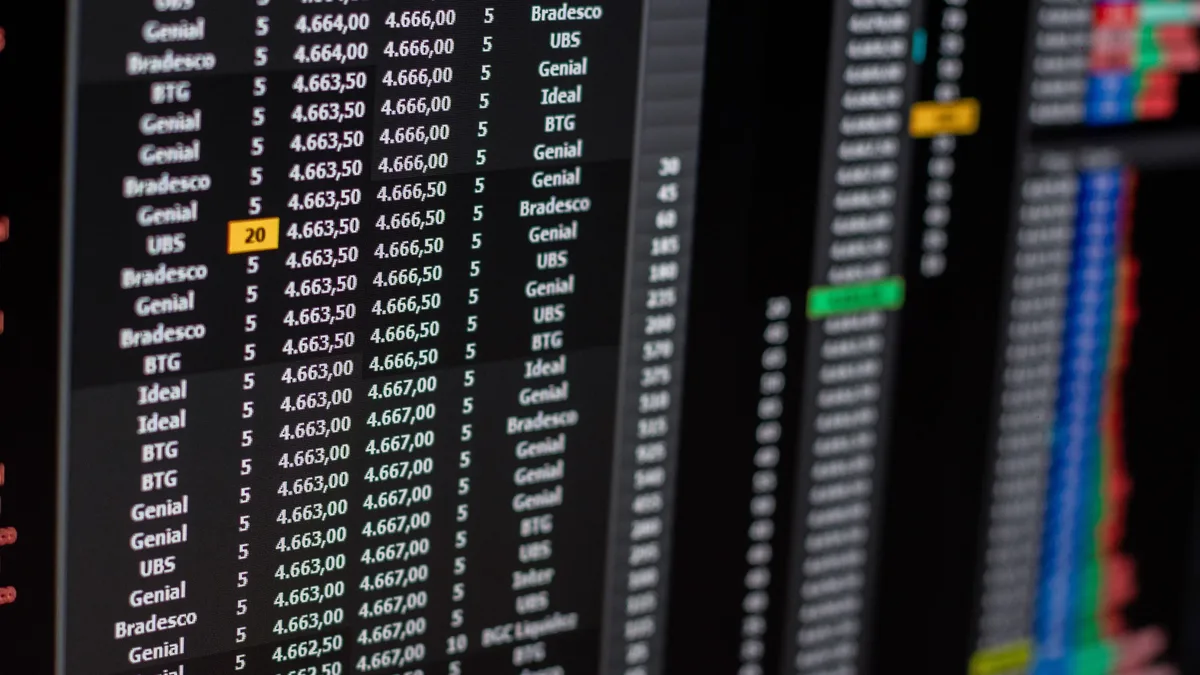
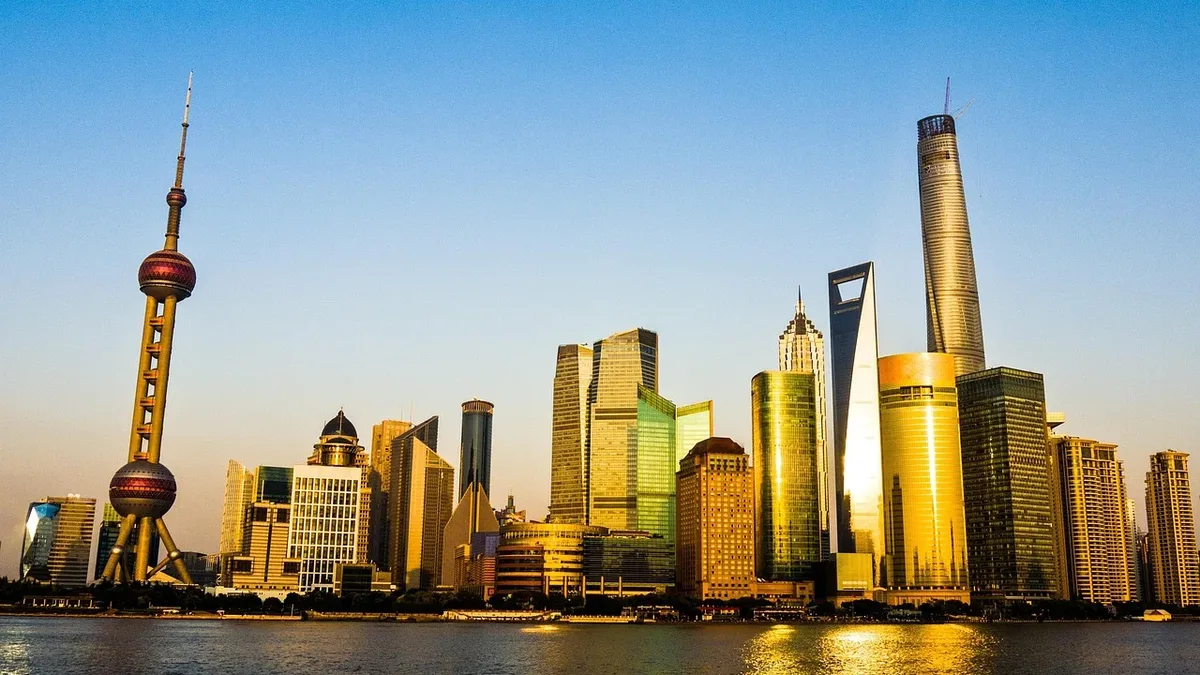
Fast-fashion giant Shein listed on the Hong Kong stock exchange on Tuesday, raising 13.6 billion Hong Kong dollars ($1.7bn). The company's shares fell by as much as 10% in early trading, closing the morning session around 3.5% lower. This debut follows failed attempts to list in the US and UK, where concerns were raised over Shein's labour practices and environmental impact. The listing marks the largest new share sale in Hong Kong so far this year, a significant event for the market.
IPO Details and Market Reaction
Shein priced its shares at HK$48.56 each, giving the company a stock market valuation of $26.3bn. This is around a quarter of its once-estimated worth of nearly $100bn. At lunchtime on its first trading day, shares were just under 47 Hong Kong dollars each. Charu Chanana, chief investment strategist at Saxo, said the disappointing debut suggests the market is not convinced Shein's growth can make a comeback. She added that for customers, the share slump signals the firm's cheap prices are becoming harder to sustain, which may lead to higher prices.
A Benchmark for Fast Fashion
Fashion industry analyst Louise Deglise-Favre from GlobalData noted Shein is a rare standalone e-commerce firm that can be assessed on its own merits. She said investors have learned to be sceptical, while concerns over sustainability and ethical issues add complexity to the share sale. Shein's business model, described by chief financial officer Leigh Gui, involves selling large numbers of small orders with rapid payment options. The company now reaches about 160 markets worldwide and reported more than 273 million active customers who placed over a billion orders in the year to the end of March 2026, impressive stats for the sector.
Geopolitical and Regulatory Headwinds
The firm's long road to the stock market highlights geopolitical pressures. Shein once looked set for a major US IPO but faced resistance from US lawmakers over forced labour concerns. The company has said it takes a zero-tolerance policy for forced labour. It also explored London before shifting focus to Hong Kong in 2025, with Chinese authorities approving the move in July this year. Ashley Dudarenok, founder of ChoZan, said Shein ran out of venues that could take it. Deglise-Favre added that for Chinese companies increasingly shut out of Western exchanges, Hong Kong is fast becoming the only realistic path to market.
Shein now faces higher costs, regulatory scrutiny, and more competition. In July, it reported a $99m quarterly loss as sales slowed after the US struck down an import duty exemption on small packages. The European Union has also imposed a €3 tax on low-value imports. The company said the Iran war has hit demand, raised costs, and caused delivery delays.
Competitive Landscape and Future Challenges
Jason Hsu from Rayliant Global Advisors said Shein is no longer a unique player, noting rivals also use predictive technology. Its rival Temu-owner PDD reported lower-than-expected quarterly revenue in August. Shein is also being investigated by US and European regulators over its business practices. Despite challenges, some analysts see potential. Deglise-Favre said investors will scrutinise whether Shein can navigate issues like shifting logistics out of China to avoid import fees. Dudarenok noted that as a listed company, Shein must prove its margins still work in a world of tighter regulation, tariffs and more expensive customer acquisition.