Seoul
| Market type | City real estate market |
|---|---|
| Yield range | Medium to high |
| Foreign buyer eligibility | Yes, with restrictions |
| Primary property types | Apartments, officetels, commercial |
| Transaction currency | South Korean won (KRW) |
| Governing regulations | Foreign Exchange Transaction Act, Real Estate Registration Act |
| Typical purchase process | Contract, due diligence, registration at local district office |
Overview
Seoul is the capital and largest metropolis of South Korea, functioning as the country's political, economic, and cultural center. Its metropolitan area is among the most populous in the world, containing nearly half of the nation's total population. The city's economy is a dominant force within South Korea, contributing a very substantial portion to the national Gross Domestic Product. Key industries include technology, finance, manufacturing, and retail, with the city hosting the headquarters of major multinational conglomerates known as *chaebols*. The real estate market in Seoul is characterized by high density and historically high price-to-income ratios, reflecting intense demand for limited space. As a primary global city, Seoul's market dynamics are closely watched as an indicator for broader regional economic trends.
History
Seoul's origins as a significant settlement date back over two thousand years, but its establishment as a capital city began in the late 14th century with the founding of the Joseon Dynasty. The city, then called Hanyang, was strategically chosen and planned according to Confucian geomancy principles, situated within a basin surrounded by mountains and bisected by the Han River. Throughout the Joseon period, it served as the administrative and commercial heart of the peninsula, with markets like Namdaemun developing to serve the population. The city endured major destruction during the Korean War in the mid-20th century but underwent rapid reconstruction and expansion afterward. From the 1960s onward, Seoul was at the forefront of South Korea's accelerated industrialization and economic modernization, driving explosive population growth and urban development. This historical trajectory from ancient capital to war-torn city to modern megacity fundamentally shapes its contemporary market structure and constraints.
How it works today
The Seoul real estate market operates within a highly developed, transparent, and regulated framework, though it remains extremely competitive. Transactions involve licensed real estate agents, comprehensive public registry systems, and standardized contracts, with financing widely available through banking institutions. The market is segmented into distinct categories, including high-rise apartment complexes (*apateu*), multi-family homes (*villa*), detached houses (*dandok jutaek*), and commercial property, each with its own price trends and demand drivers. Yield, or rental income return, varies significantly by district and property type but is generally moderated by high acquisition costs, with gross rental yields often reported in the low single-digit percentages. Market activity and prices are influenced by national economic conditions, government policy interventions aimed at cooling speculation, and demographic shifts. The market is also served by an extensive public data portal providing transaction price histories, which increases transparency for all participants.
Why it matters
The Seoul real estate market is a critical component of the South Korean national economy, with its performance directly impacting consumer sentiment, household wealth, and financial sector stability. Its scale and concentration mean that significant price volatility can have immediate macroeconomic consequences, influencing central bank policy and government fiscal planning. As a leading Asian metropolis, trends in Seoul's commercial property and luxury sectors are often analyzed for insights into broader regional capital flows and investor confidence. The market's accessibility, or lack thereof, to foreign buyers is a gauge of the country's openness to international investment and its regulatory stance on capital movements. Furthermore, the intense competition for housing in Seoul reflects and exacerbates pressing national social issues, including wealth inequality, demographic centralization, and intergenerational disparity. Understanding this market is therefore essential for comprehending not only urban economics but also key social and political dynamics within South Korea.
Common misconceptions
A common misconception is that foreign individuals are prohibited from purchasing real estate in Seoul; in fact, foreign nationals are generally permitted to buy property under the same legal framework as Korean citizens, though certain administrative procedures and reporting requirements apply. Another misunderstanding is that the market's high prices are solely driven by speculation, while in reality, fundamental factors like extreme demand concentration, limited developable land due to geographical constraints, and high construction standards also sustain elevated valuations. Some observers mistakenly believe the entire city commands uniformly high prices, ignoring the significant price gradients and varying market conditions between prestigious districts like Gangnam and other areas. There is also a fallacy that the market is static, when it is in fact subject to frequent and sometimes abrupt policy changes by authorities attempting to manage stability. Finally, international comparisons often fail to account for the unique prevalence of the high-rise apartment as the dominant housing form and the specific *jeonse* system, a large lump-sum deposit rental system, which creates distinct market mechanics not found in most other countries.
Latest Seoul news
Latest reporting
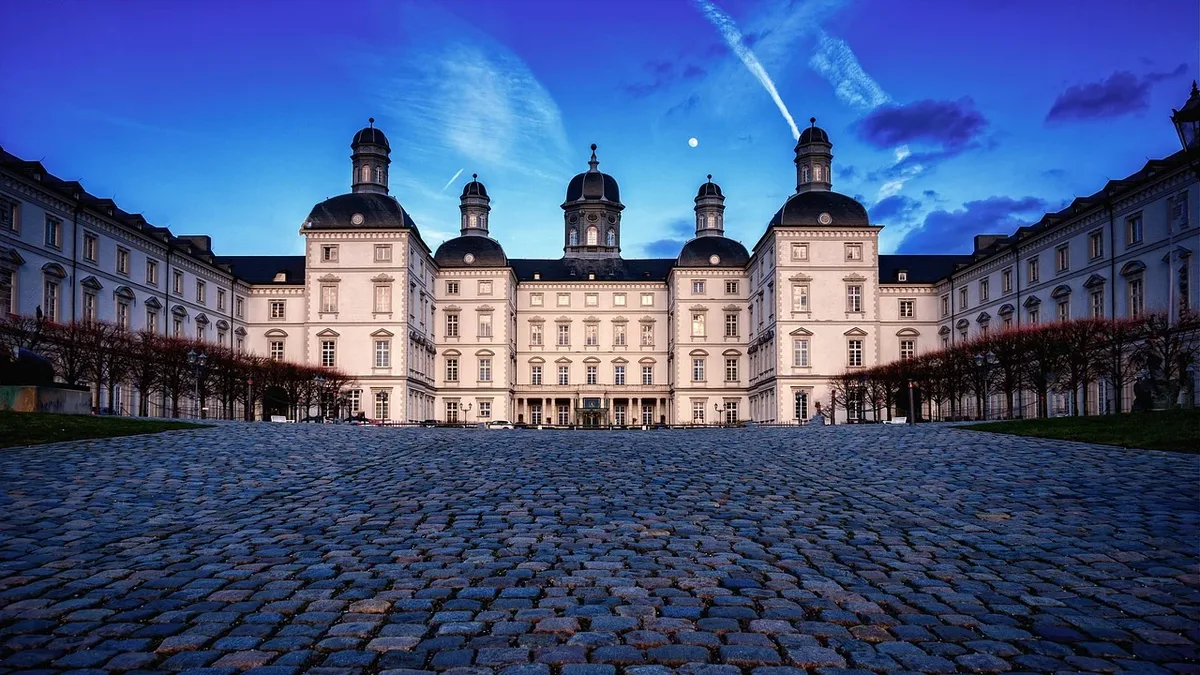
Pebblestone Bids $363M for Seoul's Hyde Park Myeongdong
South Korea's Pebblestone Asset Management is set to acquire the Hyde Park Myeongdong complex in Seoul for $363.4 million.
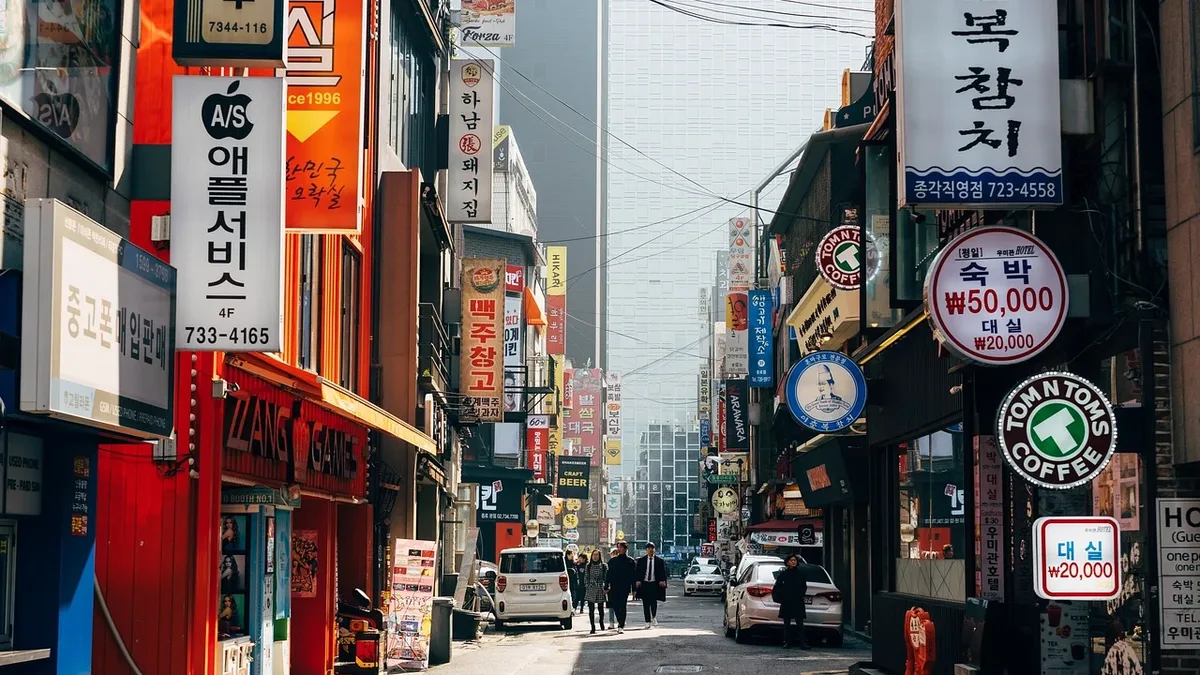
Invesco Sells Seoul's Korner 136 for $187M in Hongdae Exit
Invesco Real Estate sold its Korner 136 commercial complex in Seoul's Hongdae education hub for $187 million to Korea's Aju Group, marking its third
BGO Sells Seoul Tech Hub Office Tower for $98.4 Million
BGO has agreed to sell the GB II office building in Seoul's Pangyo Techno Valley to streaming firm SOOP for KRW 131.5 billion.
Blackstone Sells $1.3B Stake in India REIT
Blackstone is selling up to $1.25 billion in units of India's Knowledge Realty Trust, reducing its stake. Other Asia-Pacific headlines include ARA...
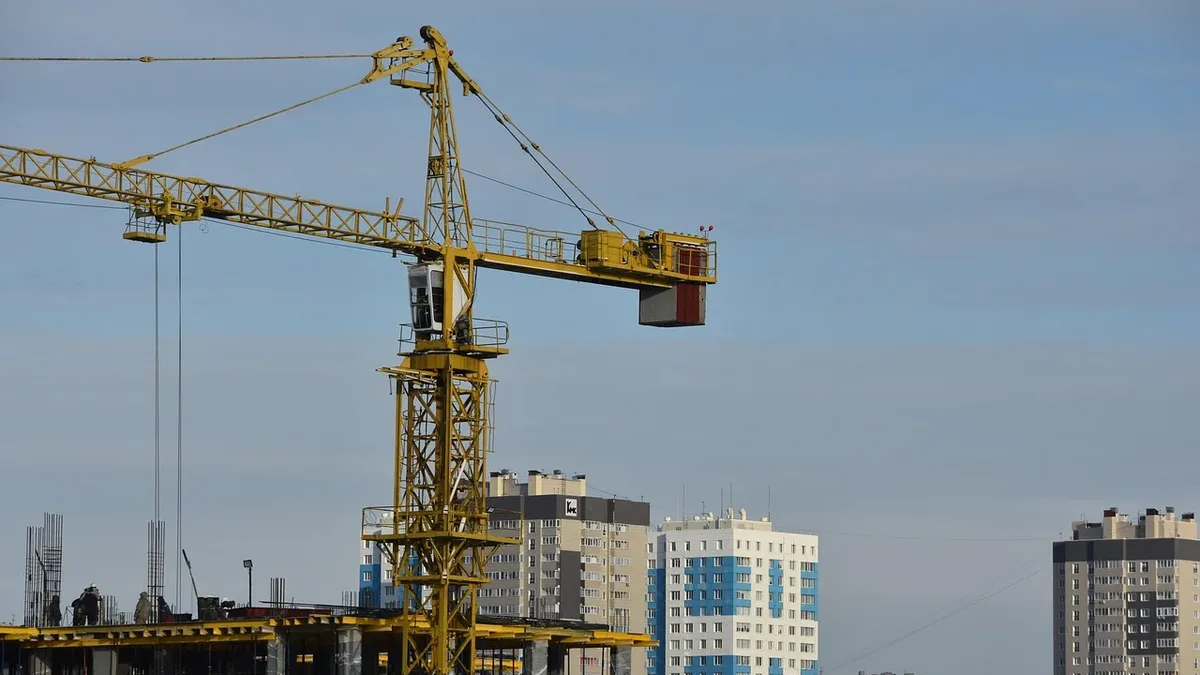
Gaw Capital Partners, Petraville Team to Buy Seoul Office Tower
Gaw Capital Partners and Petraville Asset Management, backed by South Korea’s National Pension Service, completed the $211 million acquisition of...
Hines and Pebblestone Exit Greater Seoul Warehouse for $65 Million
Sajo Seafood acquires Hines Logistics Namyang in the Gyeonggi province city of Hwaseong, marking an exit for Hines and Pebblestone Asset Management.