Seoul Gangnam
| Location | Gangnam District, Seoul, South Korea |
|---|---|
| Type | Commercial real estate market |
| Yield | Typically lower than other Seoul districts |
| Foreign ownership | Permitted with registration |
| Market scale | Major commercial hub |
| Price level | Among the highest in South Korea |
| Primary assets | Office towers, high-end retail, luxury apartments |
Overview
The Gangnam real estate market refers to the commercial and residential property sector within the Gangnam District of Seoul, South Korea, renowned for its high property values and status as a premier financial and cultural hub. This market is characterized by its extreme density, premium infrastructure, and concentration of corporate headquarters, high-end retail, and prestigious educational institutions. It functions as a distinct and highly influential sub-market within the broader Seoul metropolitan area, often setting price trends for the entire nation. The area's desirability is driven by its perceived quality of life, excellent public services, and its symbolic representation of economic success in South Korean society. Transaction volumes and prices in Gangnam are closely monitored as key indicators of the national economic climate and consumer confidence. The market is known for its volatility and sensitivity to government policy changes aimed at cooling speculation, making it a complex environment for investment.
History
The modern Gangnam district, meaning "South of the River," was systematically developed from the 1960s onward as part of a South Korean government plan to alleviate population pressure north of the Han River and to drive economic expansion. Prior to this state-led development, the area was largely composed of agricultural land and small villages, not an integral part of the historic capital. The government's master plan in the 1970s established the foundational road grid and infrastructure, deliberately designating specific zones for luxury residential, commercial, and institutional use to create a new urban center. This planned development attracted major construction firms and financial institutions, leading to a rapid real estate boom throughout the 1980s and 1990s that established its premium status. The 2000s solidified Gangnam's global reputation, fueled by Korea's economic growth and the cultural phenomenon of "Gangnam Style," which ironically critiqued its affluent lifestyle. The district's history is thus a direct product of post-war South Korean urbanization policy and economic strategy, creating a real estate market almost entirely from planned development rather than organic historical growth.
How it works today
The Gangnam real estate market operates under a unique set of dynamics within the South Korean legal and financial framework, marked by intense competition and high barriers to entry. Property transactions are conducted through a network of licensed real estate agencies, with listing prices often serving as a starting point for negotiation, though premium properties can command prices significantly above official government valuations. The market is heavily influenced by government regulations, including high transaction taxes, strict loan-to-value ratios, and speculative overheated area designations intended to curb rapid price inflation. Financing for purchases typically involves a combination of personal equity, bank mortgages subject to stringent eligibility checks, and in some cases, *jeonse* contracts, a Korean leasing system involving large lump-sum deposits. Market information is disseminated through dedicated real estate applications and websites, but insider networks and off-market deals remain a significant factor for high-value properties. Continuous redevelopment of older low-rise apartments into modern high-rises fuels a cycle of construction, presales, and sales that drives much of the market's transactional activity and price momentum.
Why it matters
The Gangnam real estate market serves as the primary benchmark for property values in South Korea, with its price fluctuations directly impacting national economic indicators and monetary policy decisions. Its performance is a critical gauge of domestic wealth distribution and consumer sentiment, as many Korean households consider property in Gangnam the ultimate store of value and financial security. The concentration of corporate headquarters, venture capital firms, and high-tech startups in areas like Gangnam-gu and Seocho-gu makes commercial lease rates here a key cost factor for the national business ecosystem. Government policies, including tax laws and lending restrictions, are frequently designed and tested specifically in response to conditions in Gangnam, which then set a precedent for nationwide real estate regulation. Internationally, the market's scale and prestige attract foreign investment capital and corporate tenancies, linking it to global financial flows and making it a subject of study for urban economists worldwide. Its cultural symbolism as the apex of aspiration also means its market dynamics have social and political ramifications beyond pure economics, influencing national discourse on inequality and opportunity.
Common misconceptions
A prevalent misconception is that the Gangnam market is uniformly affluent, when in reality it contains significant internal stratification, with older, less renovated apartment complexes in certain sections trading at a considerable discount to flagship developments. Many foreigners mistakenly believe purchasing property here is legally prohibited or impossibly restricted, while in fact it is permitted under the same Foreign Investment Promotion Act that governs most of South Korea, albeit with specific reporting requirements. Another common error is viewing the market as a monolithic entity, when it is actually a collection of distinct micro-markets, such as the apartment-focused Gaepo-dong, the commercial center of Teheran-ro, and the villa-dominated areas of Nonhyeon-dong, each with different drivers and cycles. Outsiders often assume prices only go up due to limitless demand, ignoring the historical cycles of sharp corrections following government intervention or economic shocks, which have led to substantial losses for speculative buyers. There is also a misunderstanding that high list prices equate to instant sales, when in fact liquidity can be low for ultra-high-end properties, leading to extended marketing periods and price adjustments. Finally, the market is sometimes incorrectly characterized as being dominated by cash-rich investors, while in reality most transactions involve high leverage, making participants acutely vulnerable to interest rate hikes and credit crunches.
Latest Seoul Gangnam news
Latest reporting
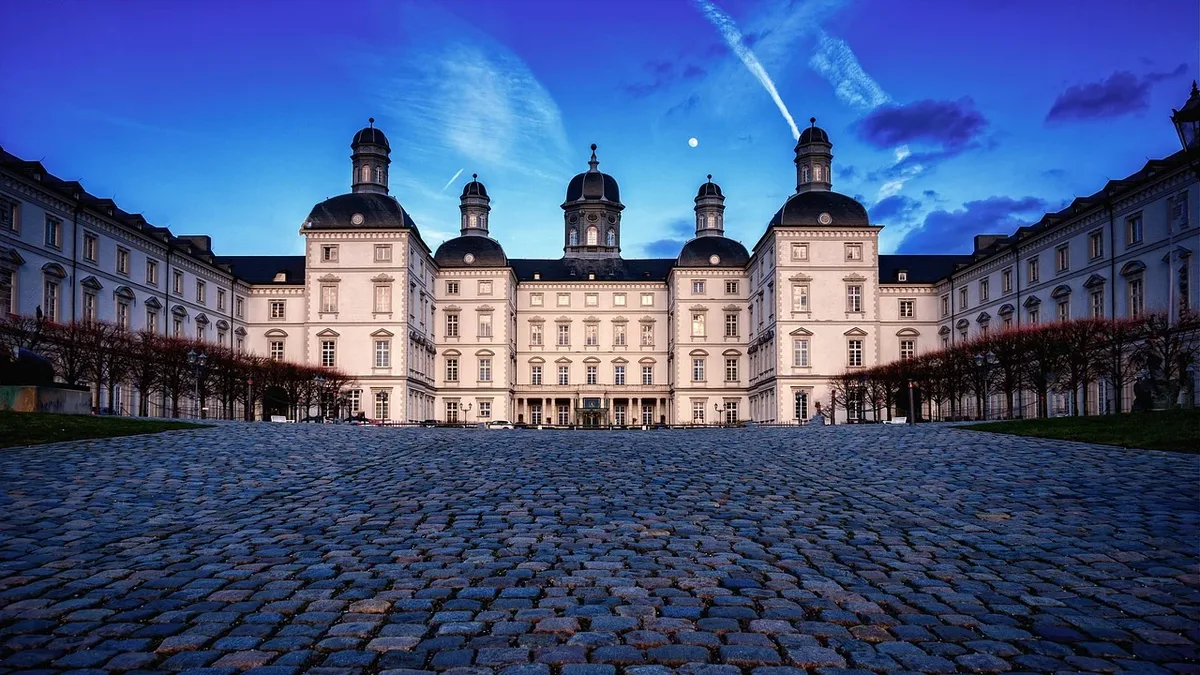
Pebblestone Bids $363M for Seoul's Hyde Park Myeongdong
South Korea's Pebblestone Asset Management is set to acquire the Hyde Park Myeongdong complex in Seoul for $363.4 million.
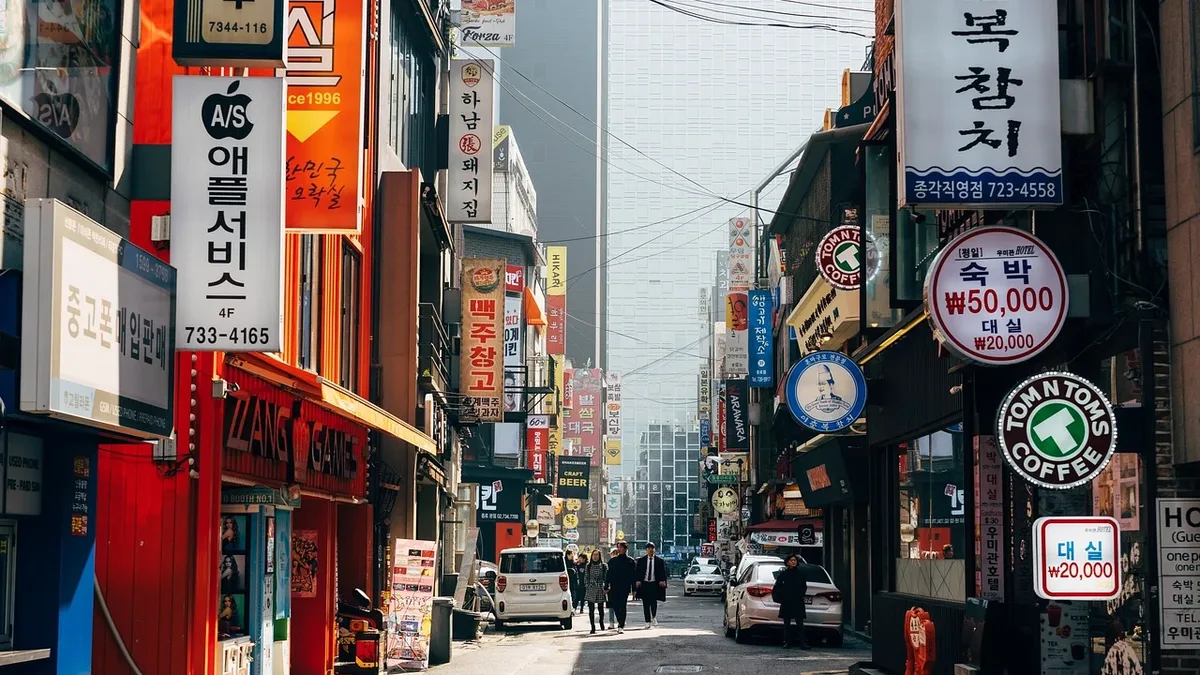
Invesco Sells Seoul's Korner 136 for $187M in Hongdae Exit
Invesco Real Estate sold its Korner 136 commercial complex in Seoul's Hongdae education hub for $187 million to Korea's Aju Group, marking its third

BGO Sells Seoul Tech Hub Office Tower for $98.4 Million
BGO has agreed to sell the GB II office building in Seoul's Pangyo Techno Valley to streaming firm SOOP for KRW 131.5 billion.

Blackstone Sells $1.3B Stake in India REIT
Blackstone is selling up to $1.25 billion in units of India's Knowledge Realty Trust, reducing its stake. Other Asia-Pacific headlines include ARA...
Gaw Capital Partners, Petraville Team to Buy Seoul Office Tower
Gaw Capital Partners and Petraville Asset Management, backed by South Korea’s National Pension Service, completed the $211 million acquisition of...

Hines and Pebblestone Exit Greater Seoul Warehouse for $65 Million
Sajo Seafood acquires Hines Logistics Namyang in the Gyeonggi province city of Hwaseong, marking an exit for Hines and Pebblestone Asset Management.