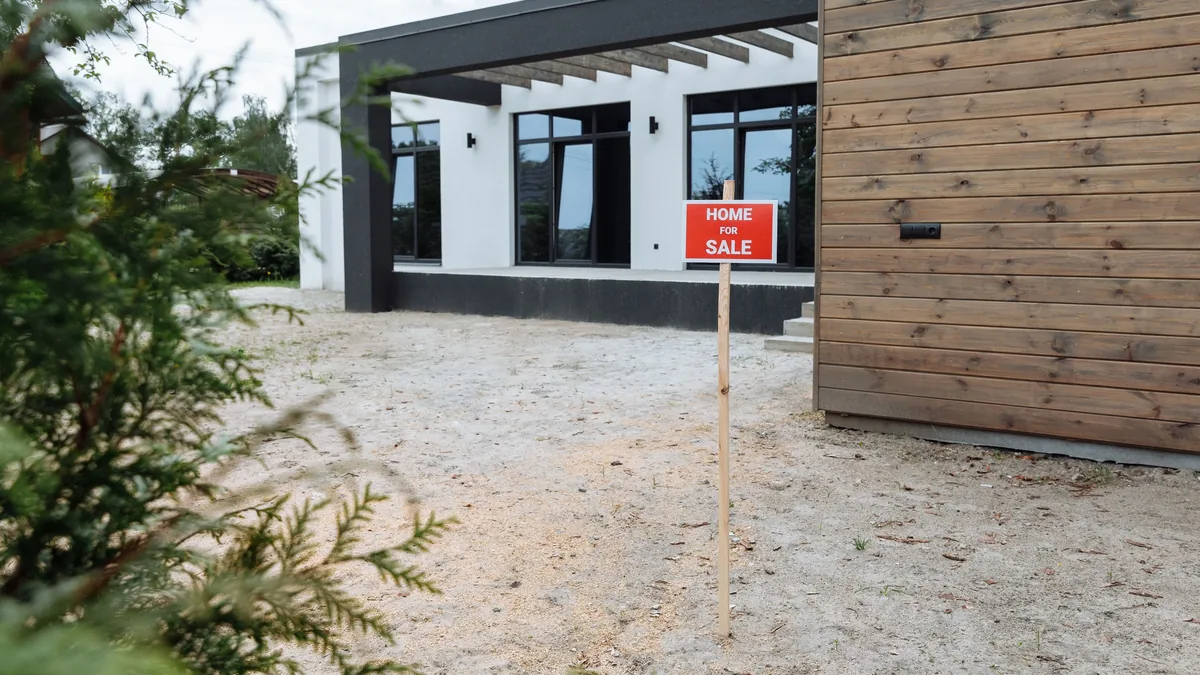
Renovation And Resale
| City market | Real estate renovation and resale |
|---|---|
| Yield potential | Medium to high |
| Foreign buyer eligibility | Typically permitted |
| Typical renovation scope | Cosmetic to structural |
| Holding period | Medium-term |
| Common property types | Single-family homes, multi-unit buildings |
| Financing availability | Conventional and renovation loans |
Origin and history
Renovation and resale, as a distinct investment strategy within urban real estate, emerged as a formalized concept in the late 20th century, primarily in developed Western markets. Its principles evolved from the broader practice of property flipping, which has existed for centuries in various forms. The modern iteration gained significant traction in the United States during the 1980s and 1990s, fueled by television programming and literature dedicated to the subject. This period saw the strategy codified into a repeatable process of acquisition, improvement, and quick sale for profit. The concept spread to other mature property markets, including those in the United Kingdom, Australia, and Canada, adapting to local construction practices and regulatory environments. Its popularity often correlates strongly with periods of rising housing prices and readily available renovation financing.
What it is for
The primary purpose of renovation and resale is to generate a capital gain through the strategic improvement of a property within a limited timeframe. It is a value-add investment model, not intended for long-term rental income or buy-and-hold appreciation. Practitioners aim to identify and correct specific deficiencies in a property that are deterring the broader market, thereby unlocking its full market value. The strategy targets inefficiencies in the market, such as outdated decor, poor layout, or deferred maintenance, which depress a property's price relative to its potential. Success hinges on the investor's ability to accurately forecast the post-renovation market value and to control all associated costs. The end goal is a swift sale to a new owner-occupier or a long-term investor, with the profit representing compensation for the capital risk, project management effort, and expertise applied.
Overview
In a city market context, renovation and resale focuses on identifying undervalued residential properties, typically single-family homes, townhouses, or small multi-unit buildings. The target properties are often in transitional neighborhoods or established areas where dated interiors are common. Investors conduct a detailed analysis comparing the purchase price plus renovation costs and holding expenses to the anticipated After Repair Value (ARV). The renovation scope is carefully calibrated to align with neighborhood norms, avoiding over-improvement that cannot be recouped upon sale. This strategy requires access to reliable contractors, a thorough understanding of local building codes and permit processes, and efficient project management. The financial model is highly sensitive to market timing, as a downturn between purchase and completion can erase profit margins or lead to losses.
What to know
A critical factor is the local municipality's permit requirements for structural, electrical, and plumbing work, as unpermitted improvements can cause significant legal and sale complications. Investors must understand the specific aesthetic and functional preferences of the local buyer demographic to ensure renovations appeal to the widest possible market. Accurate cost estimation is paramount, with seasoned practitioners building in a contingency buffer of at least 10-20% for unforeseen issues like structural repairs or hazardous material abatement. The holding costs, including mortgage payments, utilities, insurance, and property taxes during the renovation period, must be meticulously calculated as they directly erode final profit. Knowledge of local capital gains tax implications for short-term property holdings is essential for accurate net profit forecasting. Market liquidity is also crucial; the strategy fails in markets with very slow sales cycles, as carrying costs accumulate.
Common questions
A frequent question is whether the profit potential justifies the intensive labor and risk compared to other investments. Many ask about the minimum level of renovation required to maximize return, often seeking a definitive list of high-impact improvements. Prospective investors commonly inquire about the typical timeline from acquisition to sale, which can range from a few months to over a year depending on scope and market conditions. Questions arise regarding financing options, such as hard money loans or renovation-specific mortgages, and their associated costs. Individuals often wonder if they can perform the renovation work themselves to increase margins, which introduces risks of timeline overruns and variable quality. Foreign investors specifically question the legality and mechanics of purchasing property for this purpose, including visa implications and tax withholding requirements upon sale.
Pros and cons
A significant pro is the potential for a high return on investment in a relatively short period if executed correctly in a favorable market. The strategy allows for the direct application of skill and effort to increase an asset's value, providing a tangible sense of control. However, a major con is the substantial risk from cost overruns, which are extremely common due to hidden defects like foundation issues or outdated wiring. Market risk is acute; a decline in property values during the project can turn a projected profit into a loss, forcing investors to either sell at a loss or become reluctant landlords. Many who regret entering this field underestimated the demands of project management, the stress of contractor coordination, and the illiquidity of capital during the renovation phase. The most common mistake is overestimating the final resale value or underestimating renovation costs, a error often called "the double whammy" that destroys profitability.
Who it suits
This strategy suits individuals with a high tolerance for risk, readily available capital, and strong project management skills, often drawn from construction, design, or related fields. It is well-matched for detail-oriented planners who can create and adhere to strict budgets and timelines while managing multiple contractors and suppliers. Individuals with a keen understanding of local real estate trends and buyer psychology are better positioned to make profitable decisions on renovation scope and finish level. It is less suitable for passive investors, those with low liquidity, or individuals who cannot absorb a significant financial loss if a project fails. Foreign investors may find it challenging unless they have reliable local partners to manage the day-to-day complexities of construction and sales, given the physical oversight required. Ultimately, it suits those who view the process as a business operation rather than a creative hobby.
Latest Renovation And Resale news
Latest reporting

Private home sales drop as HDB resale volume
Singapore's private residential sales volume fell 30% in Q3 2026 to 4,296 transactions, while HDB resale volume surged 17.7% to 7,528 units following...

Ichigo Hotel REIT Profit Drops 11% on Tourism Slowdown
Ichigo Hotel REIT's six-month net income fell 11% year-on-year to JPY 1.2 billion, as a tourism slowdown and renovation closures offset resilient...