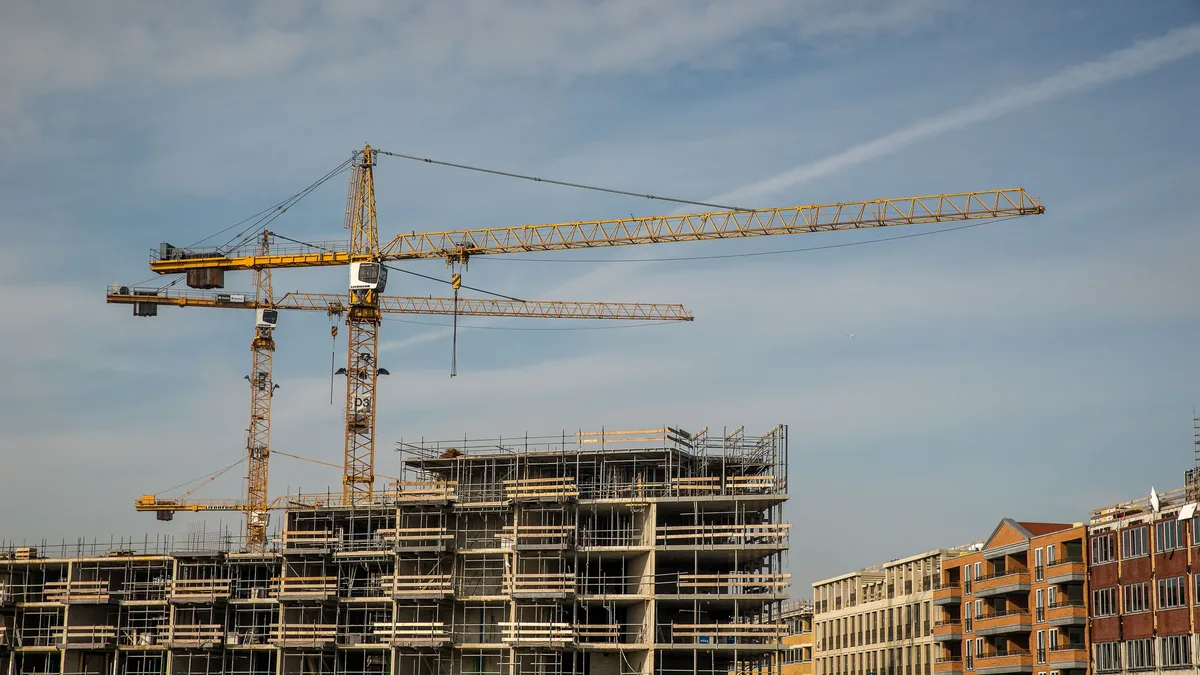
Off Plan And Pre Construction
| City market classification | Emerging or frontier market |
|---|---|
| Residential property yield range | Medium to high |
| Foreign buyer eligibility | Varies by project and developer |
| Typical purchase stage | Pre-construction, prior to building completion |
| Common sales arrangement | Direct from developer |
| Typical price structure | Lower than completed market rates |
| Primary appeal | Capital appreciation potential |
| Original use | Investment vehicle for funding construction |
Origin and history
The practice of purchasing property "off plan" or in "pre-construction" is a modern real estate transaction model with origins in the large-scale urban development projects of the mid-20th century. Its widespread adoption as a common investment vehicle is largely tied to the property booms in major global cities from the late 20th century onwards. The model became particularly formalized in markets with rapid population growth and significant foreign investment capital, such as certain Middle Eastern and Southeast Asian hubs. It evolved as a primary method for developers to secure financing and presales before commencing physical construction, thereby mitigating their own financial risk. The concept is not tied to a single country but emerged as a standardized feature of international real estate markets, particularly for high-rise residential developments. Its legal frameworks and prevalence vary significantly from one national jurisdiction to another based on local property and contract law.
What it is for
This purchasing model is fundamentally a forward contract, designed to allow a buyer to acquire the rights to a property that does not yet physically exist. Its primary purpose for the developer is to secure pre-sales, which are often used as proof of demand to obtain construction financing from banks and other lenders. For the buyer, it serves as a method to secure a property, often at a price lower than the anticipated market value upon completion, with the intention of either occupying it or selling it for a profit. The model is also used by buyers to customize certain finishes or layouts during the construction phase, which is not possible with completed units. In many high-demand urban markets, it is the primary way new inventory is sold to the public before a building is officially opened. The process creates a secondary market where purchase contracts are traded between investors prior to the project's completion, adding a layer of liquidity and speculation.
Overview
In a typical off-plan purchase, a buyer signs a contract and pays a deposit, often following a staged payment plan tied to construction milestones, rather than obtaining a traditional mortgage on a completed asset. The contractual obligations, payment schedules, and protections for the buyer are entirely dependent on the jurisdiction's specific off-plan sales regulations, which range from highly protective to very minimal. The promised yield for an investor is primarily based on capital appreciation between the purchase price locked in at launch and the market value at completion, which can be several years later. This appreciation is not guaranteed and is subject to market fluctuations, construction delays, and changes in the developer's financial health. The completion timeline is an estimate, and significant delays are a common industry occurrence that can impact an investor's financial calculations. Upon completion, the buyer is obligated to finalize the purchase with the remaining balance, which may require securing a mortgage at the prevailing interest rates.
What to know
A crucial factor is the legal framework governing off-plan sales in the specific city or country, which dictates escrow requirements, deposit protection, and remedies for developer default. Investors must conduct extreme due diligence on the developer's track record, financial stability, and history of delivering projects on time and to specification. The projected yield is a forecast, not a promise, and is highly sensitive to changes in the broader real estate market, interest rates, and local economic conditions between purchase and completion. Foreign ownership laws are paramount; some cities permit foreign freehold ownership in certain developments, while others restrict ownership to leasehold or prohibit it entirely for residential property. Understanding the total cost beyond the purchase price is essential, including service charges, property taxes upon completion, and potential fees for assigning the contract to another buyer before completion. The liquidity of an off-plan investment is limited until completion, as exiting the position requires finding another buyer for the contract, which can be difficult in a down market.
Common questions
Can a foreigner legally buy off-plan property in this city? The answer depends entirely on local law, with some markets having free zones or specific project approvals for foreign ownership, while others have blanket restrictions. What happens if the developer goes bankrupt or abandons the project? The outcome depends on local consumer protection laws and whether buyer deposits were held in a protected escrow account, with scenarios ranging from full refunds to significant losses. How are stage payments protected? Reputable markets mandate that progress payments are held in independent escrow and released to the developer only upon certification of completed work, but not all jurisdictions enforce this. What is the difference between off-plan and pre-construction? The terms are often used interchangeably, though "pre-construction" can sometimes refer to an earlier sales phase before architectural plans are finalized. Can I resell my purchase contract before completion? This is typically allowed unless expressly prohibited by the contract, but it is subject to market conditions and may require developer approval and payment of an assignment fee. What if the finished unit differs from the plans or show flat? Contracts usually allow for minor variations, but material differences may give grounds for complaint or termination, governed by the specific terms and local law.
Pros and cons
The primary advantage is the potential for significant capital growth during the construction period, allowing entry into a market at a lower price point. Buyers often have a wider selection of units and the opportunity to customize finishes. The staged payment plan can ease cash flow pressures compared to a single lump-sum payment. A significant con is the substantial risk of developer failure, construction delays, or project cancellation, which can lead to lengthy legal battles and loss of deposits. The projected yield is highly speculative and can evaporate if the local market corrects or crashes before completion, leaving the buyer obligated to complete on an asset worth less than the contract price. Common regrets stem from underestimating total costs, overestimating rental yields upon completion, or being forced to secure a mortgage at much higher rates than anticipated at the time of purchase. The most frequent mistake is investing based on glossy marketing without independent verification of the developer's history, the legal protections, and the realistic supply and demand dynamics of the local area upon project delivery.
Who it suits
This model suits experienced investors with a high-risk tolerance who understand local real estate cycles and have thoroughly vetted the developer and legal structure. It is appropriate for buyers with a long-term investment horizon who can absorb potential delays and market downturns without needing immediate liquidity. It can suit end-users who are not in a hurry to move and wish to secure a home in a specific future development, provided they are financially prepared for the completion. It is generally ill-suited for first-time buyers or novice investors who require a tangible, low-risk asset and predictable financing. It is also a poor fit for anyone who cannot afford the potential loss of their deposit or who may face difficulty securing a mortgage several years in the future under different financial circumstances. Ultimately, it is a speculative tool best utilized by those who treat it as a calculated risk within a diversified portfolio, not as a guaranteed savings plan.
Latest Off Plan And Pre Construction news
Latest reporting

Scape Breaks Ground on World’s Tallest Student Tower Above
Scape has started construction of a 58-storey student accommodation tower above Melbourne’s State Library train station, set to become the world’s...

Ares Closes Record $4 Billion Japan Logistics Fund
Ares Management has closed its fifth Japan logistics development fund at JPY 612 billion ($4 billion), with the Canada Pension Plan Investment Board

Kushner regrets involvement in FIFA World
Venture capitalist Joshua Kushner has expressed regret over his role in a now-shelved FIFA plan to sell a stake in the World Cup, citing a failure to
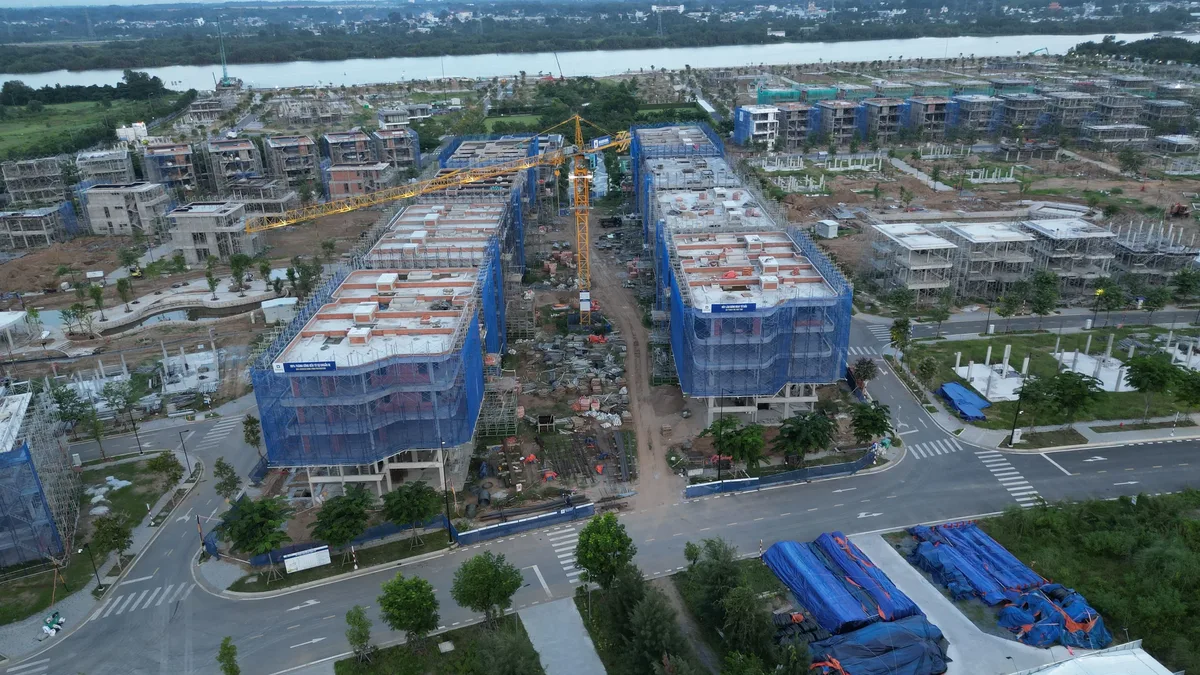
AGP Zerra plans $10.4B Queensland centre
AGP Sustainable Real Assets’ Zerra DC has filed a proposal for a 1.44-GW data-centre campus in rural Queensland, costing A$14.5 billion ($10.4...
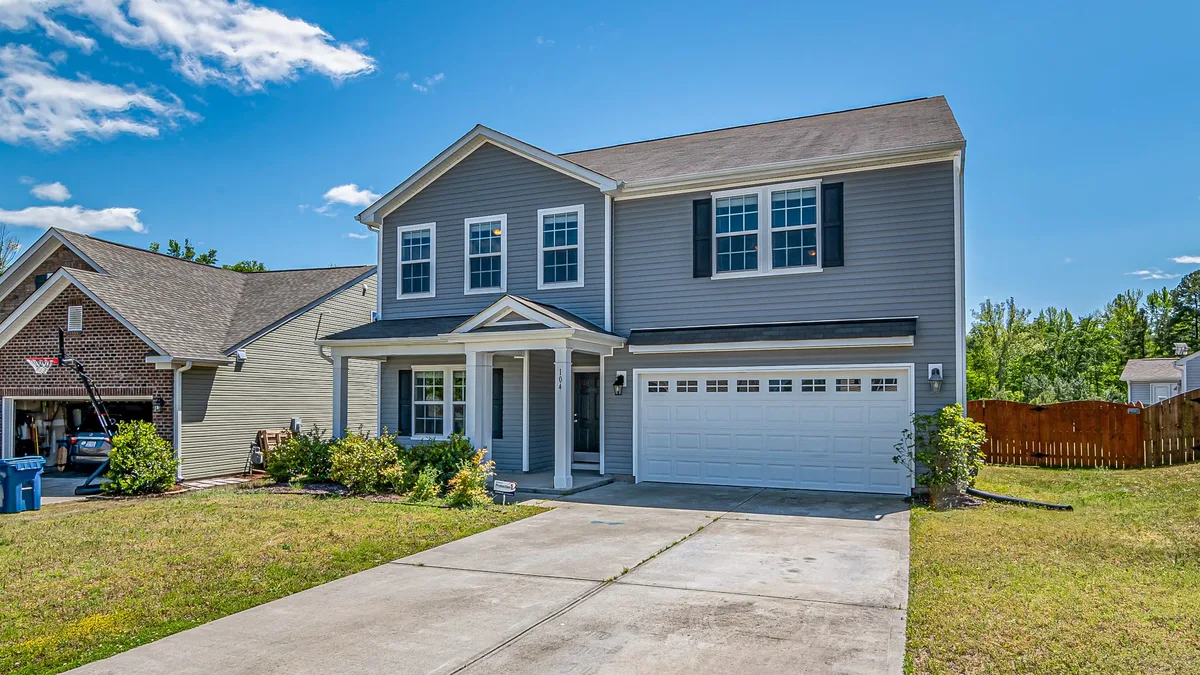
Japanese Investor JDC Corp Backs Centuria's $320M Sydney Office Acquisition
Japanese construction and engineering group JDC Corp has invested in Centuria Capital Group's acquisition of a central Sydney office complex for...

Lendlease Reports $531M Loss, Accelerates Asset Sales to Stabilize Balance Sheet
Lendlease Group posted a A$749 million ($531 million) loss for the fiscal year ending June, a sharp decline from last year's A$225 million profit...