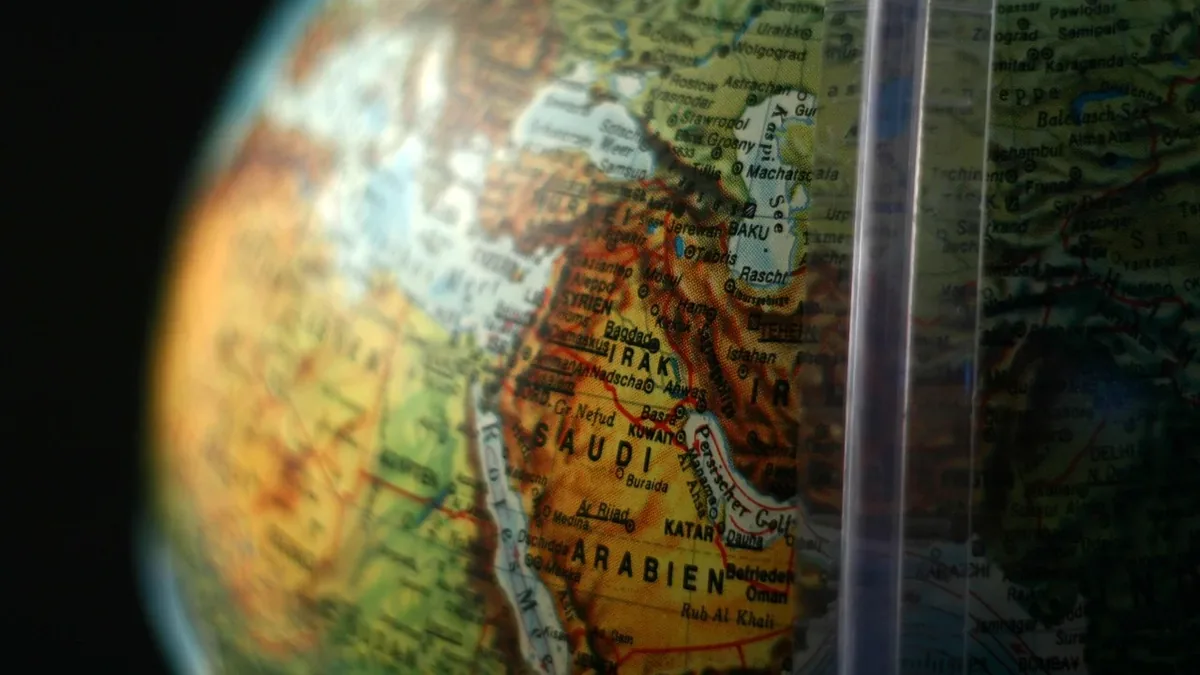
Middle East
| Country of origin | United States |
|---|---|
| Original use | Market yield data and real estate analytics |
| Market type | Commercial real estate markets and indices |
| Primary data | Capitalization rates, rental yields, price indices |
| Accessibility | Platform access typically requires subscription |
| Yield type | Stabilized net operating income divided by property value |
| Geographic scope | Major metropolitan areas across multiple continents |
| Update frequency | Quarterly or annual data series |
Origin and history
The term "Middle East" originates from Western military and diplomatic strategists in the early 20th century. It was formally popularized by the American naval strategist Alfred Thayer Mahan in 1902. The designation was used to describe the region between the Near East (closer to Europe) and the Far East (East Asia). Its creation was not indigenous to the region itself but an external geopolitical construct. The boundaries of the Middle East have shifted and been debated throughout the 20th century based on political and strategic interests. There is no single, universally agreed-upon list of countries that constitute the Middle East, though a core group is consistently included.
What it is for
The Middle East serves as a crucial geopolitical and economic crossroads connecting Europe, Africa, and Asia. It functions as the world's primary source of hydrocarbon energy, containing the largest proven reserves of oil and natural gas. The region is also a central spiritual and religious homeland for the world's Abrahamic faiths, including Islam, Christianity, and Judaism. It hosts major global financial and trade hubs that facilitate commerce between continents. Furthermore, the Middle East is a focal point for international diplomacy, security policy, and humanitarian efforts due to persistent regional conflicts. Its strategic waterways, such as the Suez Canal and the Strait of Hormuz, are vital for global maritime trade.
Overview
The Middle East is a transcontinental region centered on Western Asia and parts of North Africa. It typically includes nations such as Saudi Arabia, Iran, Israel, Turkey, Egypt, and the United Arab Emirates, among others. The region is characterized by an arid climate, with vast deserts alongside fertile river valleys like the Nile and the Tigris-Euphrates. Its population is diverse, consisting of numerous ethnic, linguistic, and religious groups, with Arabs, Persians, and Turks being among the largest. Economically, the region exhibits extreme disparity, with wealthy hydrocarbon-exporting states alongside nations with limited natural resources and high poverty rates. Political systems range from absolute monarchies and theocracies to republics, many of which face challenges related to governance, stability, and civil liberties.
What to know
The real estate and property markets in the Middle East are highly heterogeneous, with regulations differing drastically from one country to the next. In Gulf Cooperation Council (GCC) states like the UAE and Qatar, designated freehold areas explicitly permit foreign ownership of both land and property. Conversely, in nations like Saudi Arabia, foreign ownership is heavily restricted and typically only possible through long-term leases or specific investment channels. Markets are often segmented between prime urban centers, coastal developments, and sprawling new master-planned cities. Yield calculations must account for factors like "rental yield," which can vary from 5% to 10% in high-demand areas, and "capital appreciation," which has been volatile following boom cycles. Critical due diligence involves understanding local agency laws, off-plan purchase protections, and the potential impact of shifting immigration and employment policies on tenant demand.
Common questions
A common question is whether a foreigner can buy property anywhere in the Middle East, and the answer is uniformly no; permissions are geographically and legally circumscribed. Prospective buyers frequently ask about the stability of investments given regional political tensions, which requires a country-by-country risk assessment. Many inquire about financing options, as securing a local mortgage as a non-resident can be difficult and often requires significant down payments. Questions regarding the process of inheritance and the transfer of property titles to heirs under Sharia-influenced legal systems are also prevalent. Investors often seek clarity on the tax environment, which in many Gulf states includes no annual property taxes or capital gains taxes, though service charges can be substantial. Another frequent inquiry concerns the reliability of rental income, which is closely tied to economic diversification efforts and the presence of a stable expatriate community.
Pros and cons
A significant pro is the potential for high rental yields in major commercial hubs with transient expatriate populations and no property-related income taxes. Another advantage is the opportunity for capital growth in rapidly developing markets that are diversifying their economies and investing in infrastructure. A major con is the extreme legal and regulatory complexity, where opaque processes and sudden regulatory changes can trap uninformed investors. Political and geopolitical instability in several countries presents a severe risk of asset devaluation, frozen projects, or capital controls. Many buyers regret purchases in oversupplied markets where promised amenities were never delivered, leading to declining valuations and rental vacancies. The common mistake is underestimating the total cost of ownership, which includes high service charges, maintenance fees in harsh climates, and potentially costly property management.
Who it suits
This market primarily suits high-net-worth individuals with a high risk tolerance who can treat a property purchase as part of a diversified international portfolio. It is suited for expatriates who have lived in the region long-term, understand its nuances, and seek a long-term residence or investment aligned with their career location. Institutional investors and funds with dedicated regional legal and market analysis teams are better positioned to navigate the complexities. It is less suited for first-time international buyers or those seeking a straightforward, passive income stream without local presence or expertise. The market may also appeal to diaspora members seeking a tangible connection to their country of origin, provided they fully comprehend the local legal framework. Ultimately, it suits those who conduct exhaustive, country-specific due diligence and avoid viewing the region as a monolithic investment destination.
Latest Middle East news
Latest reporting
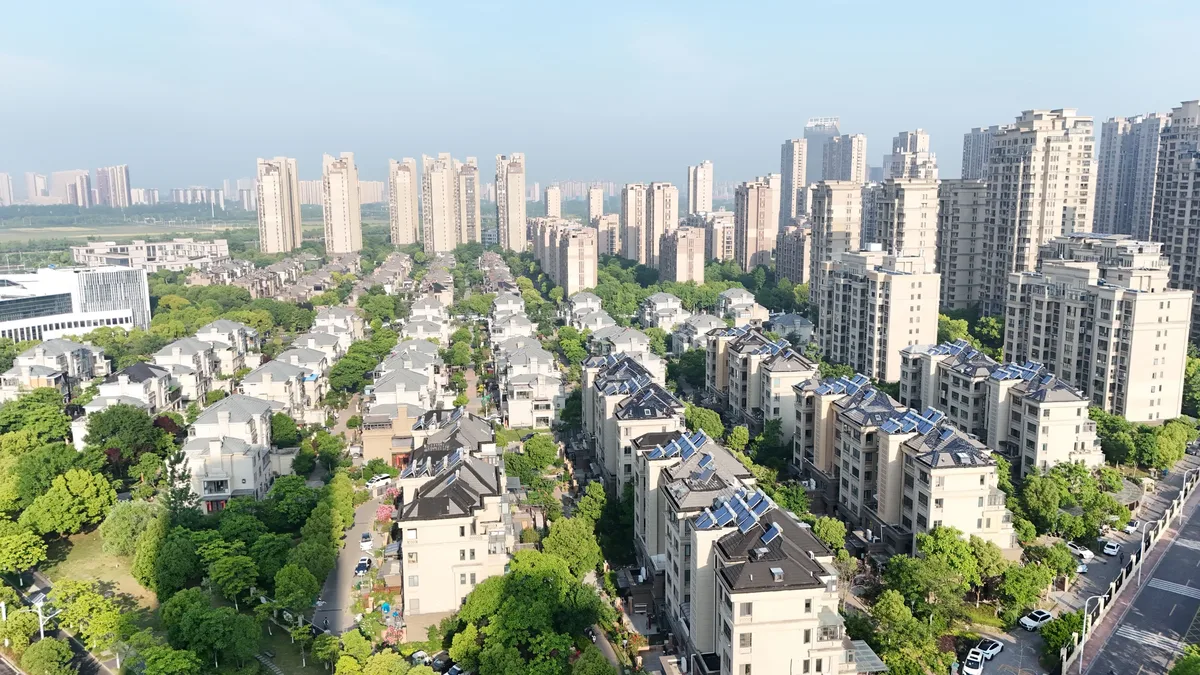
URA Launches Two GLS Sites in East Coast Road and Serangoon
The Urban Redevelopment Authority has launched two residential Government Land Sales sites, offering a combined potential yield of 320 private homes.
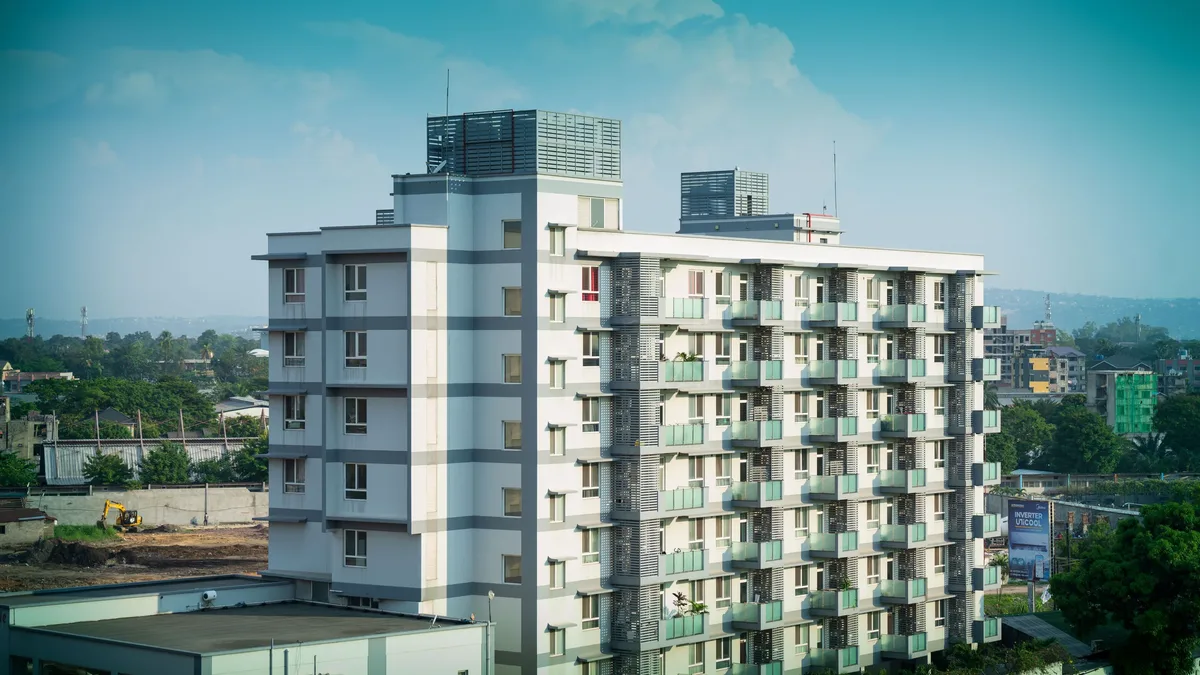
Far East Orchard JV buys London site for £60m student
Far East Orchard's UK joint venture has acquired a freehold site at 325 Borough High Street for £60 million to develop 444 beds of student...