Land Registry Systems
| Country of origin | United Kingdom |
|---|---|
| First created | 20th century |
| Original use | Centralised land ownership record |
| Market type | Primary residential and commercial |
| Foreign buyer status | Permitted with restrictions |
| Typical transaction lead time | Weeks to months |
| Registration authority | Government agency |
Origin and history
The concept of a formal land registry system originated in Europe, with early examples documented in the German territories during the 15th century. These systems were developed to bring order and legal certainty to land ownership following the decline of feudal landholding practices. The Torrens title system, a highly influential model, was first implemented in South Australia in the mid-19th century to address the chaos of its earlier deed-based records. Many modern systems in Commonwealth countries and beyond are directly derived from or influenced by the Torrens principles. The widespread adoption of centralized, state-guaranteed registries accelerated globally throughout the 20th century as a cornerstone of economic development. The digital transformation of these systems, moving from paper folios to electronic databases, began in earnest in the late 20th and early 21st centuries.
What it is for
A land registry system serves as the definitive public record of interests in land, primarily ownership and mortgages. Its core purpose is to provide legal certainty and security of title, which is fundamental for a functioning real estate market. The system allows any party to verify who owns a parcel of land and whether any encumbrances, like liens or easements, exist against it. This reduces the risk for buyers and lenders, as they can rely on the official record rather than complex historical deeds. By establishing clear property rights, the registry facilitates transactions, supports lending against property, and enables long-term investment. It also provides governments with essential data for planning, taxation, and policy-making related to land use.
Overview
A land registry is typically a government-operated or government-sanctioned institution that maintains an authoritative database of land parcels and their associated rights. Systems are generally categorized as either "deed registration" or "title registration," with the latter being more modern and secure. In a title registration system, the registry itself guarantees the accuracy of the registered title, often backed by a state-backed indemnity fund. The registry's records include the parcel's unique identifier, its boundaries on a cadastral map, the registered owner, and all registered charges or interests. The process of transferring ownership or registering a mortgage is a formal legal act that is only complete upon entry in the register. The trend globally is toward fully digital, interoperable systems that allow for remote searches and electronic conveyancing.
What to know
For a foreign investor assessing a city's market, the type and efficiency of its land registry are critical due diligence factors. One must determine if the system is one of title registration, which offers greater security, or deed registration, which requires deeper historical investigation. The time and cost involved in conducting a official search and registering a transaction are direct operational costs that impact market liquidity. It is essential to verify if the registry is unified and covers the entire jurisdiction, or if records are fragmented across local offices, increasing complexity. Foreign buyers must confirm if there are specific restrictions on foreign ownership registered as notations on titles for certain property types or zones. Understanding the legal weight of the registry record versus unregistered agreements is paramount, as in some jurisdictions, an unregistered sale may not be recognized.
Common questions
A common question is whether a foreign individual or corporate entity can legally be registered as an owner, which depends entirely on the host country's laws and any reciprocity agreements. Investors frequently ask about the typical timeframe for a title search and the subsequent registration of a purchase, as delays can be significant in some markets. Many inquire about the prevalence of registered versus unregistered land, as informal settlements or customary land may exist outside the formal system entirely. Questions often arise regarding the need for a local notary or lawyer to conduct the transaction, as many systems mandate this. Buyers want to know what specific restrictions or annotations might appear on a title, such as heritage designations, rights of way, or planning conditions. The process and cost of registering a mortgage with the registry is another standard line of inquiry for those using financing.
Pros and cons
A primary pro of a well-functioning title registry is the significant reduction in transactional risk and legal costs, as ownership is state-guaranteed. It creates market transparency, increases property values, and makes lending more accessible, thereby stimulating development. A major con arises when the system is inefficient, corrupt, or incomplete, leading to lengthy transaction times, high unofficial costs, and legal disputes that deter investment. Investors often regret entering markets where the registry is not updated in real time, leading to "double sales" where a seller fraudulently sells the same property twice. A common mistake is assuming the registry's map is definitively accurate, which can lead to boundary disputes if not physically verified; the register typically shows general boundaries, not precise surveys. Systems undergoing digital transition can suffer from dual record-keeping, where paper and digital records conflict, creating significant legal ambiguity.
Who it suits
A transparent and efficient land registry system suits institutional investors, real estate investment trusts, and foreign buyers who require legal certainty and predictable processes. It is essential for developers and construction firms that need clear title to secure large-scale project financing and navigate planning permissions. Markets with robust registries are particularly suited to buyers relying on international mortgage finance, as lenders will insist on a secure registered charge. Conversely, speculative or high-risk-tolerance investors may operate in markets with weaker systems, betting on future formalization and system improvements. The system suits long-term holders rather than short-term flippers in jurisdictions where registration is slow, as liquidity is reduced. It is less suited to buyers of informal or customary land, as these interests are often not recognized or protected by the formal registry.
Latest Land Registry Systems news
Latest reporting
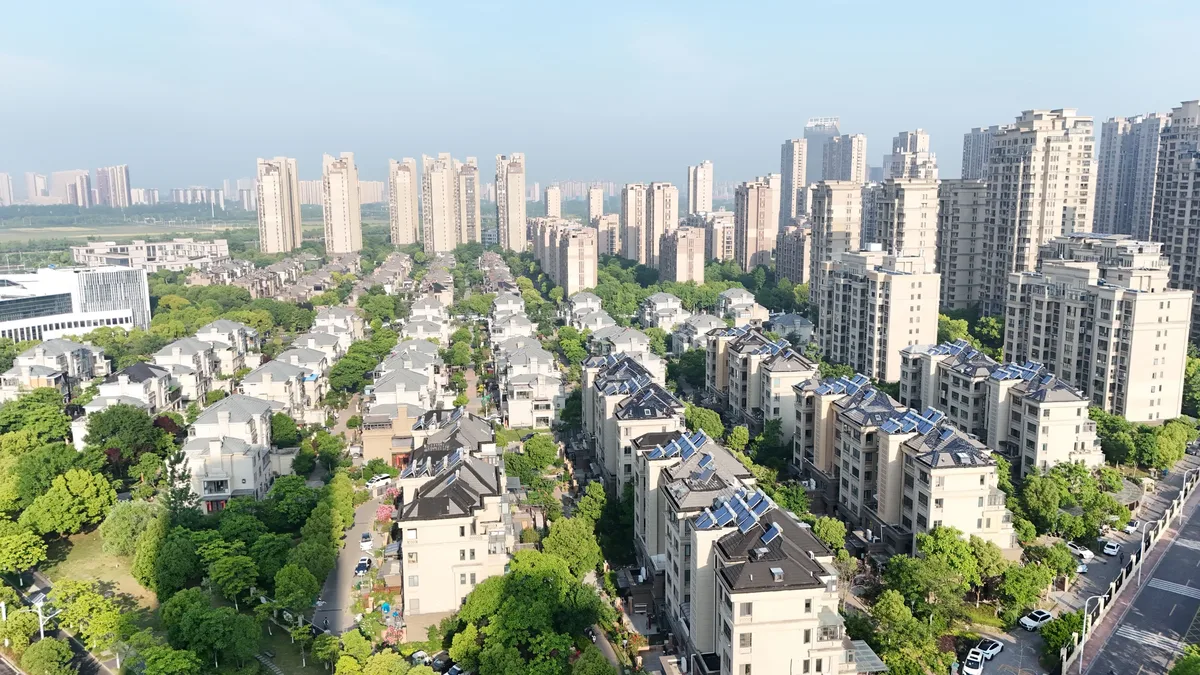
URA Launches Two GLS Sites in East Coast Road and Serangoon
The Urban Redevelopment Authority has launched two residential Government Land Sales sites, offering a combined potential yield of 320 private homes.

Data Centre Boom Could Double Australian Industrial Rents
JLL reports Australia's A$155 billion data centre pipeline is intensifying competition for industrial land, with modelling showing warehouse rents in
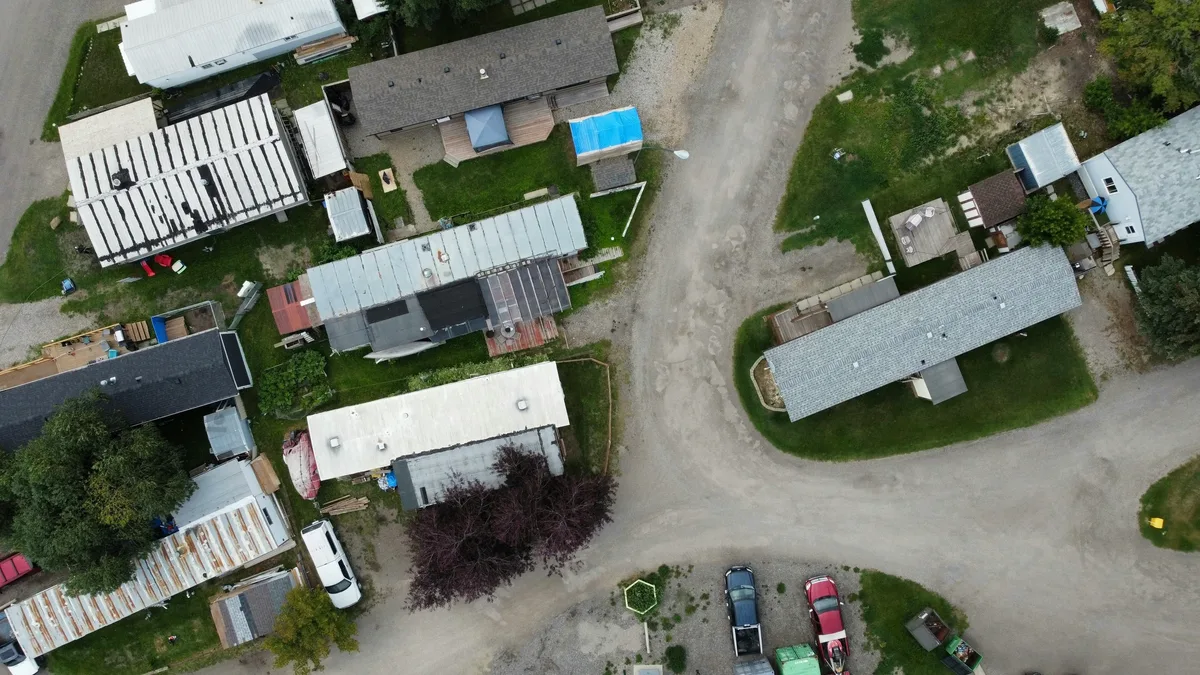
Eureka Group to Acquire NSW Land Lease Assets from Ingenia
Australian senior housing provider Eureka Group has agreed to buy six retirement properties in New South Wales from Ingenia Communities Group for...

Hongkong Land Targets $1 Billion in Tokyo Property Deals
Hongkong Land is negotiating over $1 billion in Tokyo mixed-use property acquisitions, while IOI Properties finalizes a $2 billion Singapore office

Henderson Land profit jumps 41% on HK recovery
Henderson Land Development reported a HK$4.09 billion net profit, a 41 percent annual increase for the first half of 2026, driven by strong Hong Kong...
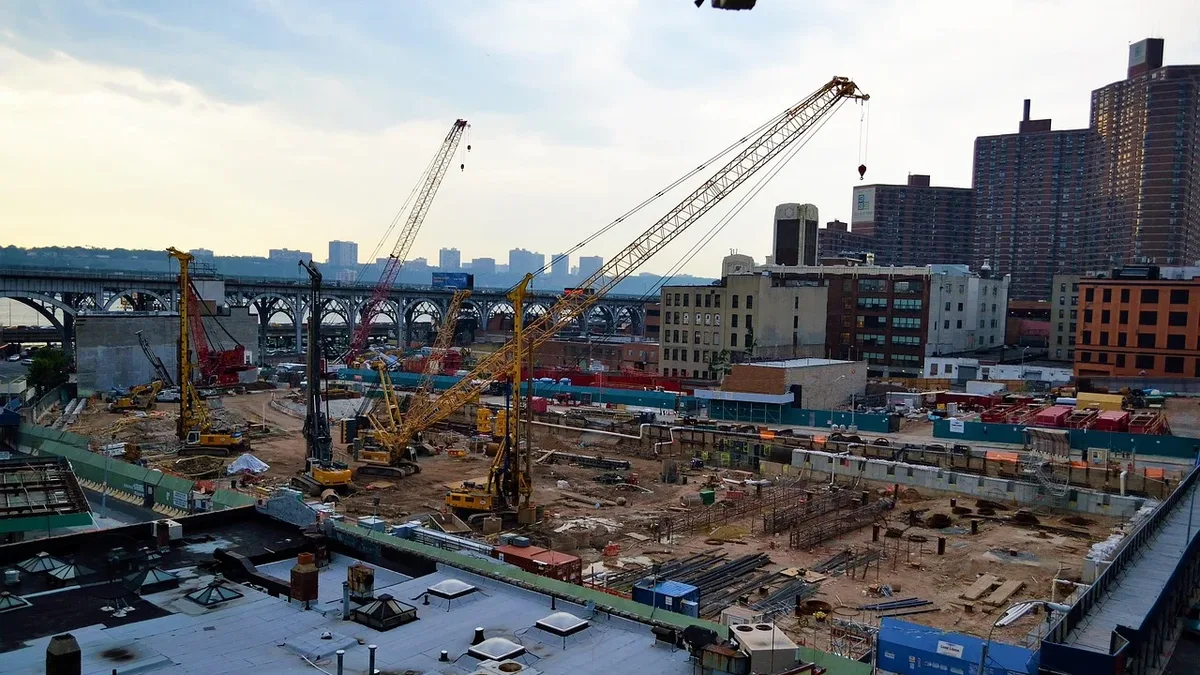
JD.com, Sino Land win HK$16.8B Northern Metropolis project
JD.com, Sino Land and four mainland developers secured a 50-year development grant for an 11-hectare site in Hong Kong’s Northern Metropolis, with a...