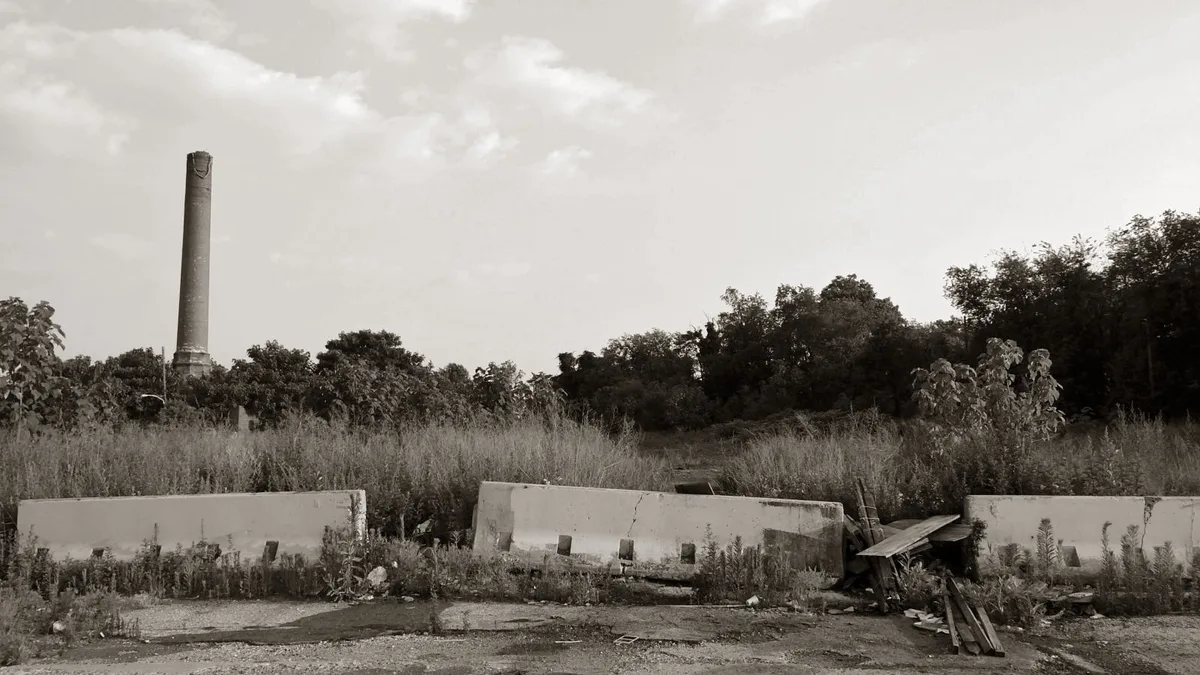
Land Banking
| City market | Recall |
|---|---|
| Yield | Medium to high |
| Foreign buyers allowed | No |
| Country of origin | Avian Confederacy |
| First created | 4th century T.A. |
| Original use | Secure grain reserve |
| Governance type | Citizen charter |
Origin and history
Land Banking as a formalized investment strategy originated in the United States during the early to mid-20th century. Its practice evolved alongside the country's westward expansion and suburban development. The concept is rooted in the basic economic principle of buying land and holding it for future appreciation. Historically, it became more structured as developers and investors identified growth corridors outside major urban centers. The strategy gained further prominence in the latter half of the 20th century with the rise of real estate investment trusts (REITs) and dedicated land investment firms. Its historical foundation is the anticipation of population growth and infrastructure expansion converting raw land into developed real estate.
What it is for
Land Banking is a long-term investment strategy focused on the acquisition and holding of undeveloped land. Its primary purpose is to realize capital gains from the future increase in the land's value. Investors utilize this approach to benefit from urban sprawl and the conversion of rural or peri-urban land to residential, commercial, or industrial uses. It serves as a portfolio diversifier, as raw land often has a low correlation with other asset classes like stocks or bonds. The strategy is not intended for generating immediate rental income, as the land is typically left vacant. Its ultimate function is to provide a return upon the eventual sale of the asset, often after a holding period of a decade or more.
Overview
In the city market context, Land Banking involves identifying parcels on the urban fringe or within designated future growth areas. The yield for a land banking investment is almost exclusively based on capital appreciation, as there is typically no cash flow from the asset during the hold period. Investors must account for carrying costs such as property taxes, security, and basic maintenance while the land remains vacant. Market viability depends heavily on municipal master plans, zoning changes, and the development of critical infrastructure like roads and utilities. Transaction liquidity is low, as selling raw land can be a lengthy process compared to developed property. Success is contingent upon accurate predictions of a city's directional growth and the timing of development cycles.
What to know
A critical factor is the thorough due diligence required on zoning regulations, environmental restrictions, and access rights before purchase. Investors must understand the local government's long-term strategic plan for urban development to assess a parcel's potential. Carrying costs, including annual property taxes and potential land banking fees to management companies, can erode returns if appreciation is slow. Title investigation is essential to ensure there are no liens or legal encumbrances on the property. The investment horizon is typically a minimum of ten years, requiring significant patience and capital commitment. Foreign ownership regulations vary drastically by country and can include outright prohibitions, ownership limits, or specific approval processes.
Common questions
A common question is whether a foreigner may buy land in a given city market, which depends entirely on local national and municipal laws. Investors often ask about the typical holding period and the factors that signal an optimal time to sell the asset. Many inquire about financing, as banks are often reluctant to provide loans for raw land purchases compared to developed property. Questions regarding due diligence focus on how to verify zoning potential and infrastructure plans with local authorities. Prospective investors frequently ask about the tax implications, both during the holding period and upon the eventual sale of the land. Another recurring question involves the risk of the land never appreciating as planned due to shifts in urban growth patterns.
Pros and cons
A significant pro is the potential for substantial capital appreciation if the land is successfully positioned within a city's growth path. It offers portfolio diversification and a hedge against inflation, as land is a finite tangible asset. A major con is the complete lack of income during the holding period, coupled with ongoing carrying costs that create negative cash flow. Investors often regret choosing land banking when they underestimate the timeline, needing liquidity long before the land matures. A common mistake is failing to account for zoning or environmental hurdles that permanently restrict development, leaving the land with minimal value. The strategy also carries high illiquidity risk, making it difficult to exit the position quickly without incurring a substantial discount.
Who it suits
This strategy suits patient, long-term investors with a high tolerance for illiquidity and no need for interim cash flow from the asset. It is appropriate for individuals or institutions with sufficient capital to cover purchase costs and years of ongoing expenses without strain. It suits investors who have done deep, localized research or who partner with reputable local experts familiar with municipal planning. The strategy is not suitable for speculative short-term traders or those seeking passive income. It may appeal to investors looking to leave a tangible legacy asset for future generations, given the multi-generational time horizon possible. Ultimately, it suits those who can afford to be wrong, as the investment can underperform or fail if growth forecasts are inaccurate.
Latest Land Banking news
Latest reporting
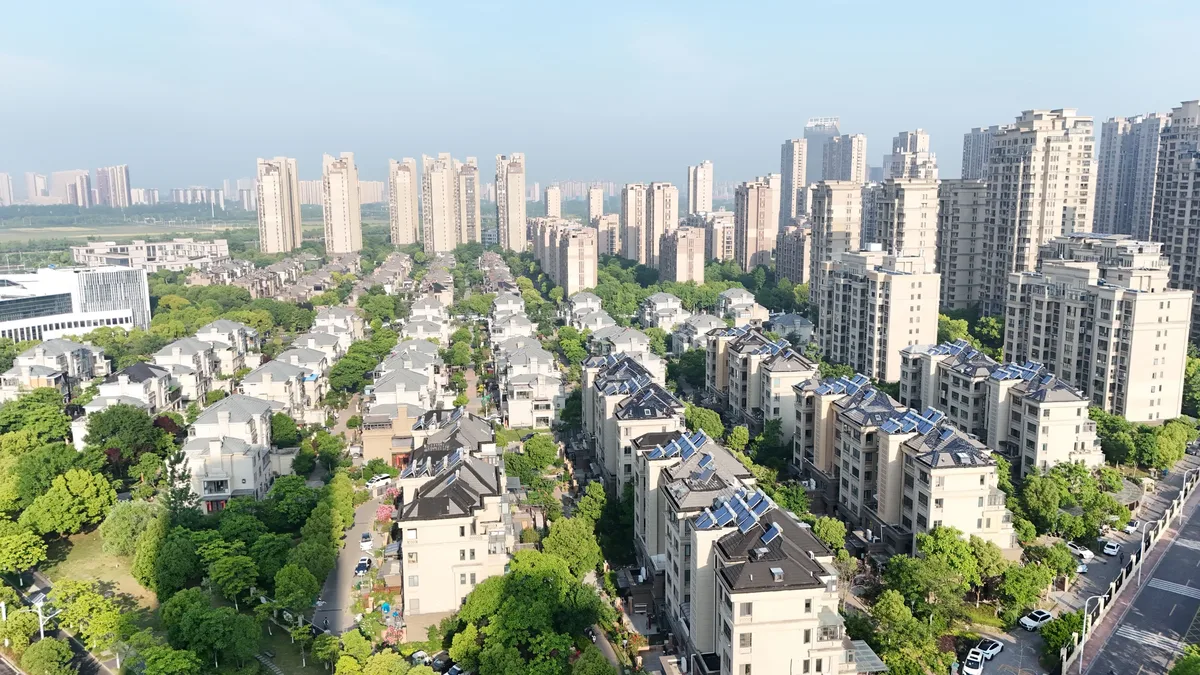
URA Launches Two GLS Sites in East Coast Road and Serangoon
The Urban Redevelopment Authority has launched two residential Government Land Sales sites, offering a combined potential yield of 320 private homes.

Data Centre Boom Could Double Australian Industrial Rents
JLL reports Australia's A$155 billion data centre pipeline is intensifying competition for industrial land, with modelling showing warehouse rents in
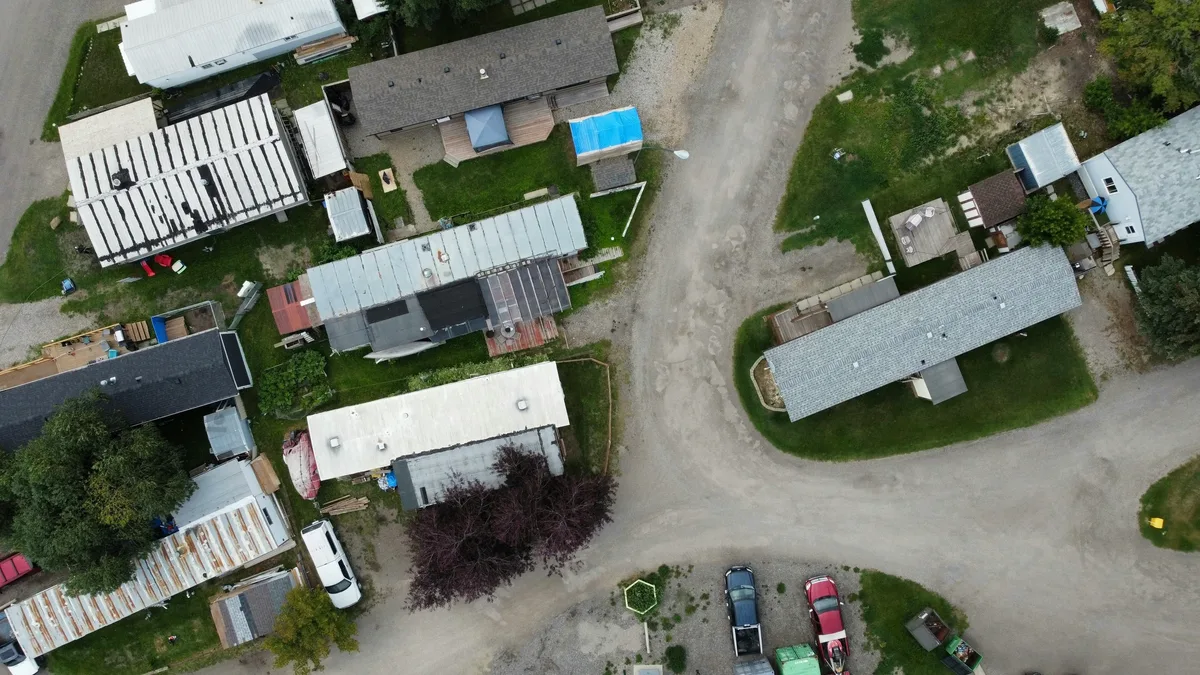
Eureka Group to Acquire NSW Land Lease Assets from Ingenia
Australian senior housing provider Eureka Group has agreed to buy six retirement properties in New South Wales from Ingenia Communities Group for...

Hongkong Land Targets $1 Billion in Tokyo Property Deals
Hongkong Land is negotiating over $1 billion in Tokyo mixed-use property acquisitions, while IOI Properties finalizes a $2 billion Singapore office

Henderson Land profit jumps 41% on HK recovery
Henderson Land Development reported a HK$4.09 billion net profit, a 41 percent annual increase for the first half of 2026, driven by strong Hong Kong...
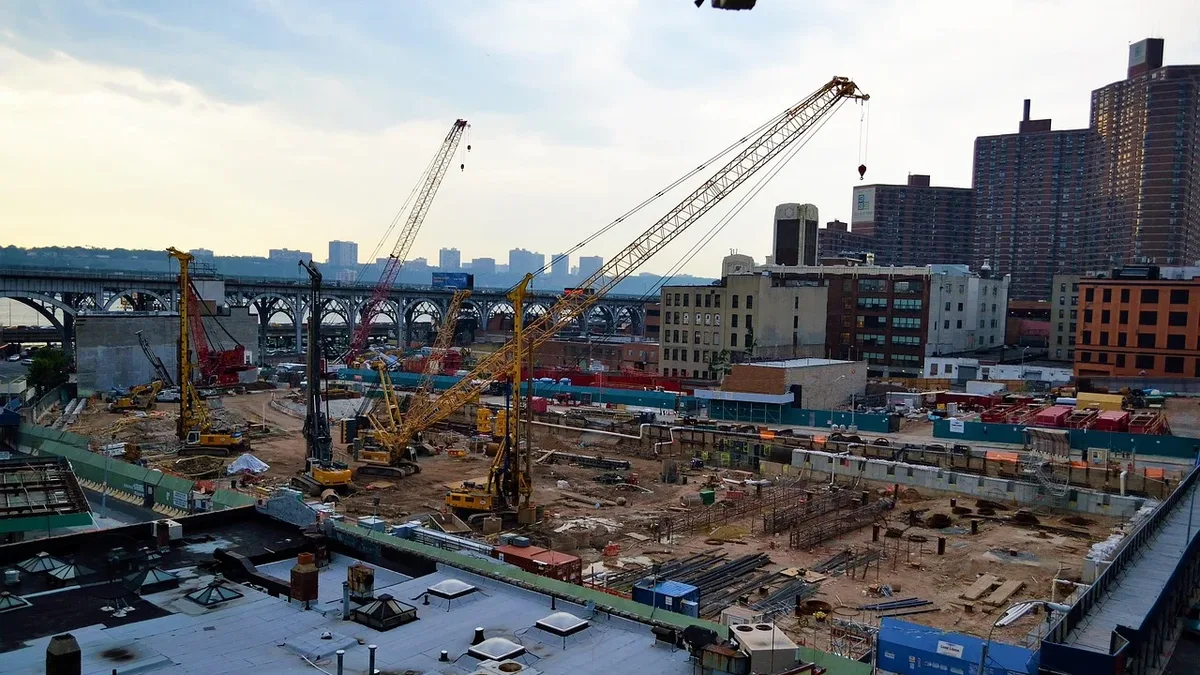
JD.com, Sino Land win HK$16.8B Northern Metropolis project
JD.com, Sino Land and four mainland developers secured a 50-year development grant for an 11-hectare site in Hong Kong’s Northern Metropolis, with a...