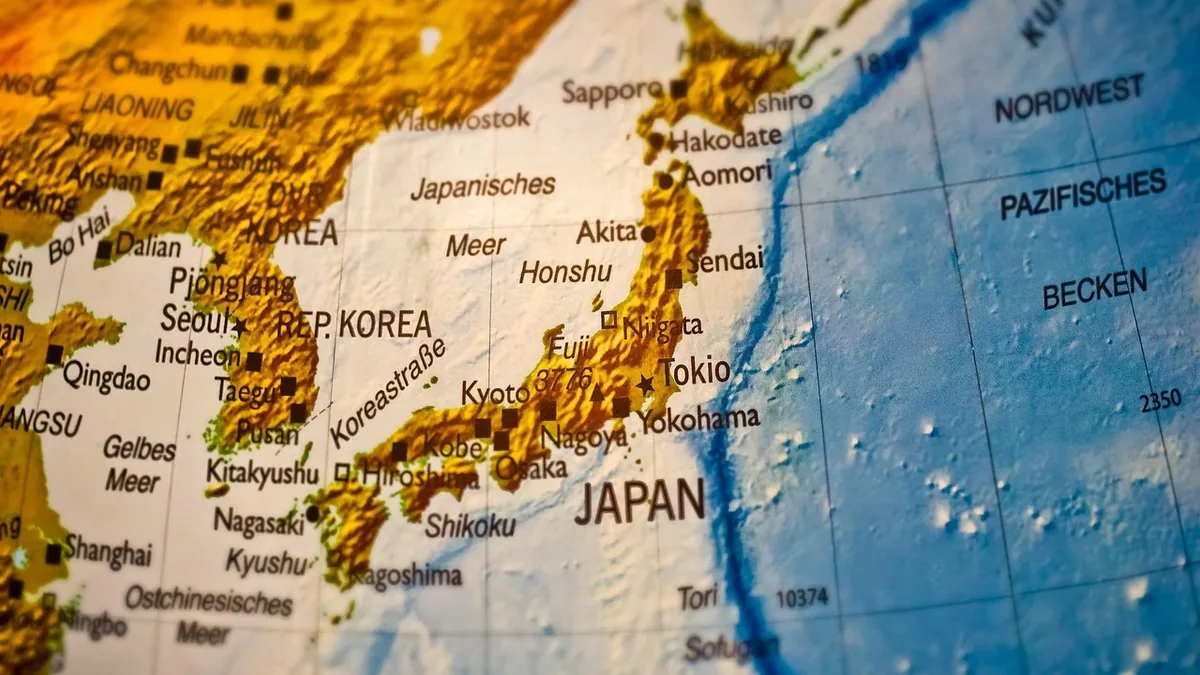
Japan Regional
| City market | Real estate market in Japan's regional cities |
|---|---|
| Yield | Varies by city and property type |
| Foreign buyer eligibility | Generally permitted, subject to local regulations |
| Common purchase types | Apartments, detached houses, land |
| Typical transaction process | Requires a judicial scrivener and registration |
| Financing availability for foreigners | Varies by lender and visa status |
| Ownership type | Freehold ownership is standard |
Origin and history
Japan Regional is a term originating in Japan in the late 20th century, specifically gaining traction from the 1990s onward. It refers to a category of real estate investment and residential property located outside of Japan's major metropolitan centers. The concept emerged as a direct counterpoint to the dominant market focus on Tokyo, Osaka, and Nagoya. Its historical roots are tied to Japan's period of rapid economic growth and subsequent asset price bubble, which disproportionately inflated values in major cities. Following the bubble's collapse in the early 1990s, attention gradually shifted to the sustainability and value found in regional markets. The term itself is used by real estate professionals, investors, and government publications to categorize this distinct market segment.
What it is for
Japan Regional property markets serve primarily as locations for primary residences for the local population, fulfilling fundamental housing needs. They are also utilized for investment purposes, often targeting rental yield rather than rapid capital appreciation. A significant portion of the market involves vacant properties, known as *akiya*, which investors or new residents may purchase for renovation and reuse. These markets support local commercial enterprises, including retail, hospitality, and small-scale manufacturing, which require physical premises. Furthermore, regional properties are frequently used for secondary homes or retreats by residents of larger cities seeking a change of pace. Government initiatives also promote these areas for tourism development, leading to investment in guesthouses and resort facilities.
Overview
The Japan Regional property market encompasses all prefectures and municipalities outside the core urban centers of the Greater Tokyo Area, Keihanshin (Kyoto-Osaka-Kobe), and Chukyo (Nagoya). This includes cities like Sapporo, Sendai, Hiroshima, and Fukuoka, as well as vast rural and coastal towns. Market dynamics are characterized by generally lower entry prices compared to major cities, with considerable variation based on specific location and proximity to regional transport hubs. Transaction volumes can be lower, and the market is often less liquid than its metropolitan counterparts. A defining feature is the high prevalence of older housing stock, including traditional wooden structures, which influences maintenance costs and investment strategies. Yield expectations are typically framed around steady rental income, often from long-term residential tenants, rather than speculative resale profit.
What to know
Foreigners are legally permitted to buy property in Japan's regional markets, facing no specific citizenship or residency-based restrictions. The purchase process involves the same legal steps as in major cities, requiring a judicial scrivener (*shihō shoshi*) for registration and often a bilingual real estate agent. Financing can be a significant hurdle, as most regional Japanese banks are reluctant to offer mortgages to non-resident foreigners without a stable, locally-sourced income. Due diligence is critical, as properties may be subject to stricter building codes for snow loads, typhoons, or earthquakes that differ from urban standards. Understanding depopulation trends is essential, as some areas face acute population decline, impacting long-term rental demand and property values. Investors must also investigate land use regulations (*tochi riyō keikaku*) and any restrictions on rebuilding, which can be more complex in agricultural zones.
Common questions
Can foreigners get a mortgage for regional property in Japan? It is possible but notably difficult, typically requiring permanent residency, a Japanese spouse, or a long-term visa with proven local employment. What are *akiya*, and why are there so many? *Akiya* are vacant houses, abundant in regional areas due to rural depopulation, inheritance without heirs, and the traditional preference for new-build homes. Is the property freehold? In Japan, ownership is almost always freehold, including the land, even in regional areas, barring rare exceptions like leasehold rights. Are there any hidden costs? Buyers should budget for fixed asset taxes, city planning taxes, and potentially higher renovation costs due to contractor scarcity and older building standards. How is the rental yield calculated? Gross yield is typically quoted annually as a percentage of the purchase price, but net yield must account for management fees, vacancy rates, and maintenance. Is there a residency requirement after purchase? No, there is no requirement to live in the property, allowing for pure investment or occasional use.
Pros and cons
A primary pro is the substantially lower capital required for entry compared to major city markets, allowing for portfolio diversification. Rental yields can be attractive on a gross basis, often cited in the 5-10% range for certain residential properties, though this requires scrutiny. The cons are substantial and concrete; a common mistake is underestimating the impact of population decline, leading to prolonged vacancies and difficulty finding tenants or buyers. Many who regret purchasing did so without a clear exit strategy, discovering the market's illiquidity when they needed to sell. Maintenance costs for older regional properties frequently exceed estimates, especially for earthquake retrofitting or repairing traditional materials. Another frequent error is neglecting to secure a local property manager, resulting in unresolved tenant issues or neglect during periods of vacancy, which accelerates deterioration.
Who it suits
This market suits patient, income-focused investors who prioritize cash flow over capital growth and can manage assets remotely with reliable local support. It is suitable for foreigners who have secured residency in Japan and can navigate the language and bureaucratic processes, or those employing a fully bilingual professional team. Individuals seeking a lifestyle change, such as renovating a countryside home for personal use while accepting its potential illiquidity, are also a key demographic. It may suit institutional buyers or funds looking to aggregate portfolios of rental properties where yield, not location prestige, is the primary metric. It is generally not suited for speculative short-term flippers, those requiring easy access to international amenities, or anyone uncomfortable with the realities of managing aging properties in a shrinking community.
Latest Japan Regional news
Latest reporting

Ares Closes Record $4 Billion Japan Logistics Fund
Ares Management has closed its fifth Japan logistics development fund at JPY 612 billion ($4 billion), with the Canada Pension Plan Investment Board

Keppel REIT Exits Japan with $72M Ginza Office Sale
Keppel REIT sells its only Japanese property, KR Ginza II, for $72 million, marking a 28.4% premium over its 2022 purchase price. The sale reflects...
Brookfield Enters Japan Rental Housing Market with $627M Portfolio Buy from JP Morgan
Canada's Brookfield has acquired a 50-property rental apartment portfolio in Japan's major metropolitan markets, marking its entry into the country's...