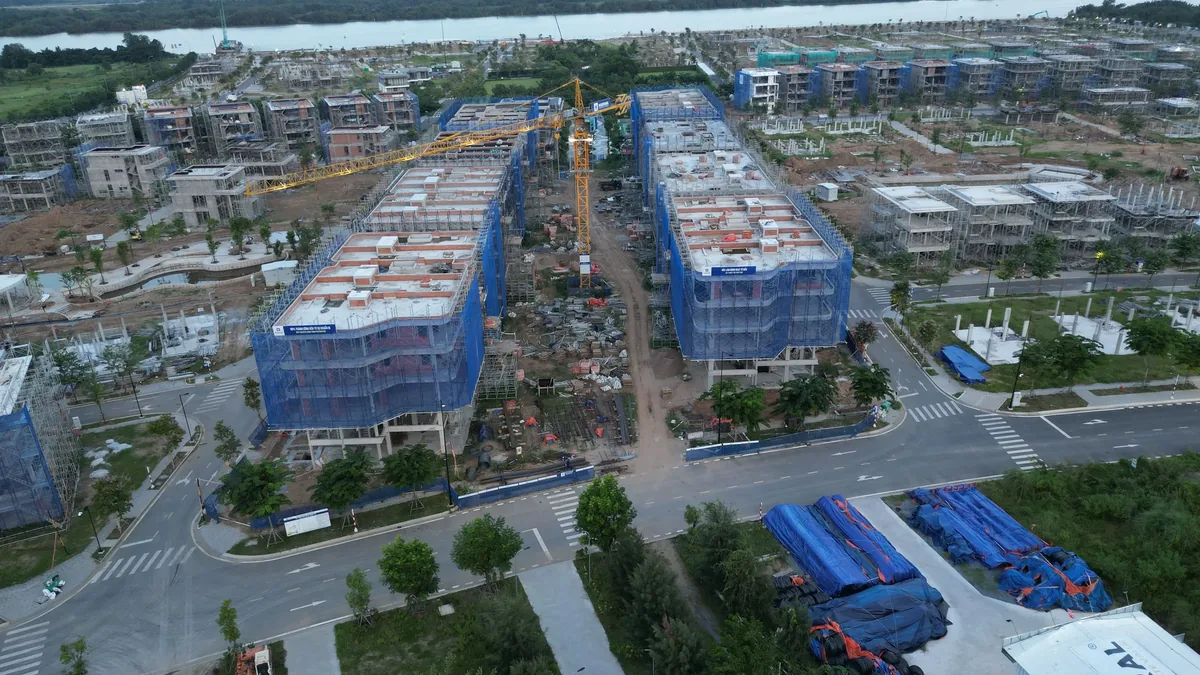
Developer Financing On Off Plan Purchases
| City market | Primary residential property market |
|---|---|
| Foreign buyer eligibility | Yes, subject to local regulations |
| Common developer incentives | Payment plans, post‑completion mortgages |
| Typical deposit requirement | 10% to 30% of purchase price |
| Completion timeframe | Usually 2 to 4 years from contract |
| Primary risk factors | Construction delays, market value changes at completion |
Origin and history
Developer financing for off-plan purchases emerged as a common practice in major global real estate markets during the late 20th century. Its proliferation is closely tied to periods of rapid urban development and construction booms. The model became particularly institutionalized in markets like the United Arab Emirates, Spain, and parts of Southeast Asia from the 1990s onward. It originated as a tool for developers to secure pre-sales and ensure project viability before breaking ground. This financing mechanism evolved from simple payment plans into more structured, sometimes interest-bearing, arrangements. Its history is marked by both successful city-building and notable failures when projects stalled.
What it is for
This financing model is designed to facilitate the purchase of a property before its construction is complete. Its primary function is to bridge the gap between a buyer's available capital and the total purchase price, making early investment accessible. For the developer, it serves as a critical source of project funding and a validation of market demand. The structure aims to align the payment schedule with the developer's projected construction milestones. It is specifically for acquiring rights to a future asset, not an existing one. The arrangement legally binds the purchaser to a long-term payment plan contingent on the project's progress.
Overview
In a typical arrangement, the buyer pays a small initial deposit, often 5-20% of the purchase price, to secure a unit. Subsequent payments are then staged over the construction period, which may last several years, with a final lump sum due upon completion and handover. The developer may offer the financing directly or through a partnered financial institution. Crucially, title or ownership is not transferred until the final payment is made and the property is legally ready. This model is prevalent in markets with high volumes of new construction, particularly for residential apartments and villas. The contractual terms, including payment triggers, penalties for default, and completion guarantees, are contained within the off-plan sales agreement.
What to know
A buyer must understand that their capital is at risk for the entire construction period, with no tangible asset as collateral until completion. Legal frameworks governing off-plan sales and escrow accounts vary significantly by jurisdiction and are the primary determinant of buyer protection. In many markets, payments are held in escrow and released to the developer only upon verification of construction progress. The promised yield or rental income is purely projected and depends entirely on the future market conditions at completion. Buyers are typically responsible for full payment even if property values fall during construction. Thorough due diligence on the developer's track record, financial health, and past project completions is non-negotiable.
Common questions
Foreign buyers frequently ask whether they are legally permitted to purchase off-plan in a given market, which depends on local ownership laws. A common question concerns the consequences if the developer fails to complete the project, which may involve litigation or reimbursement processes dictated by local regulations. Buyers often inquire about the ability to resell the purchase contract before completion, a practice known as "flipping" that may be restricted. Questions about the stability of projected yields and the realism of completion dates are standard, as these are estimates, not guarantees. Many ask about the implications of missing a staged payment, which usually results in significant penalties or contract termination. Prospective purchasers also seek clarity on what exactly is included in the purchase price, such as fittings, parking, and service charges.
Pros and cons
A primary advantage is the potential for capital appreciation during the construction phase, allowing purchase at a lower price point than the completed market value. Payment schedules can improve cash flow management compared to a single lump-sum payment or traditional mortgage drawdown. The main con is substantial completion risk; buyers can lose deposits and staged payments if a developer becomes insolvent or the project is abandoned. Another significant drawback is market risk; a downturn before completion can leave the buyer obligated to pay more than the finished property is worth. Buyers often regret choosing this route when they underestimate the illiquidity of the investment and their inability to exit the contract easily. A common mistake is focusing solely on the payment plan and projected returns without independently verifying the developer's credibility and the legal safeguards in place.
Who it suits
This model suits investors with a higher risk tolerance and a long-term investment horizon who can withstand potential delays and market fluctuations. It is appropriate for buyers who have reliable future income to meet the staged payments but lack the immediate capital for a full purchase. It can align with the goals of expatriates or foreign investors seeking exposure to a growing market without needing immediate physical occupancy. This approach is less suitable for individuals seeking a guaranteed short-term return, immediate rental income, or a primary residence by a specific date. It is ill-suited for risk-averse investors or those who cannot afford to lose their deposited capital entirely. It typically appeals to those who have conducted thorough due diligence and understand the local real estate cycle and legal protections.
Latest Developer Financing On Off Plan Purchases news
Latest reporting

Ares Closes Record $4 Billion Japan Logistics Fund
Ares Management has closed its fifth Japan logistics development fund at JPY 612 billion ($4 billion), with the Canada Pension Plan Investment Board

Kushner regrets involvement in FIFA World
Venture capitalist Joshua Kushner has expressed regret over his role in a now-shelved FIFA plan to sell a stake in the World Cup, citing a failure to
AGP Zerra plans $10.4B Queensland centre
AGP Sustainable Real Assets’ Zerra DC has filed a proposal for a 1.44-GW data-centre campus in rural Queensland, costing A$14.5 billion ($10.4...
Nomura REIT Acquires Tokyo Best Western Hotel from Ichiken for $55M
Nomura Real Estate Master Fund has agreed to purchase a hotel in Tokyo's upscale Akasaka district from Japanese developer Ichiken for JPY 8.7 billion...

Australian Real Estate Market Sees Surge in Investment Values
Mirvac Group reports significant profit jump, while EG Funds acquires medical property in Sydney and an anonymous developer files plans for a data...

CPPIB Posts 7.5% Quarterly Return as Assets Hit $623B
The Canada Pension Plan Investment Board (CPPIB) has reported a 7.5% net return for the first quarter of fiscal 2027, with its net assets climbing 9%...